If you are comparing dental offices or trying to plan ahead for care, it makes sense to ask about cost. A routine cleaning is one of the most important preventive services you can schedule, but the price can feel confusing when you are not sure what is included.
At Ames Dentistry, we believe patients should understand what goes into the cost of a dental cleaning, why fees can vary, and when a “cleaning” may involve more than a basic polish. This guide breaks down the typical cost of teeth cleaning in Ohio, what affects pricing, how insurance may help, and why preventive care can save money in the long run.
What Does a Standard Dental Cleaning Include?
A routine dental cleaning is also called a prophylaxis cleaning. It is meant for patients with generally healthy gums who need plaque and tartar removed from the teeth.
Most routine cleanings include plaque and tartar removal, polishing, flossing, and a general check of your oral health. Many visits also include a dental exam, and X-rays may be recommended based on your history, symptoms, or how long it has been since your last set.
Professional cleanings matter because tartar cannot be removed with brushing and flossing at home. Once plaque hardens, a hygienist needs special tools to remove it safely.
Average Cost of Teeth Cleaning in Ohio
The exact cost can vary by office, location, insurance status, and what is needed during your visit. In Ohio, a routine cleaning without insurance may commonly fall in the general range of $90 to $200, though your total may be higher if an exam, X-rays, fluoride, or additional gum care is needed.
Here is a simple cost breakdown to help you understand what may affect the final visit total.
| Service | What it means | Typical cost consideration |
| Routine adult cleaning | Plaque and tartar removal for generally healthy gums | Often the base cleaning fee |
| Dental exam | Dentist checks teeth, gums, bite, and oral health | May be billed separately |
| X-rays | Images used to check for decay, bone loss, or hidden problems | Cost varies by type and frequency |
| Fluoride treatment | Added enamel protection, often recommended for cavity risk | May be separate for adults |
| Deep cleaning | Treatment for gum disease below the gumline | Usually costs more than a routine cleaning |
If you are calling to ask, “how much is a teeth cleaning,” it is helpful to ask whether the quoted price includes the exam and X-rays or only the cleaning itself. It’s also important to ask which costs, if any, your insurance provider will cover.
Why Teeth Cleaning Costs Vary
Not every dental cleaning is the same. The cost depends on what your mouth needs that day.
Whether You Are a New or Existing Patient
A new patient visit often includes a more complete exam, health history review, and X-rays. Because of that, the first visit may cost more than a return preventive cleaning.
Whether X-Rays Are Needed
X-rays are not always taken at every visit, but they are an important diagnostic tool. They help dentists see cavities between teeth, bone levels around the roots, infections, and other issues that may not be visible during a visual exam.
Your Gum Health
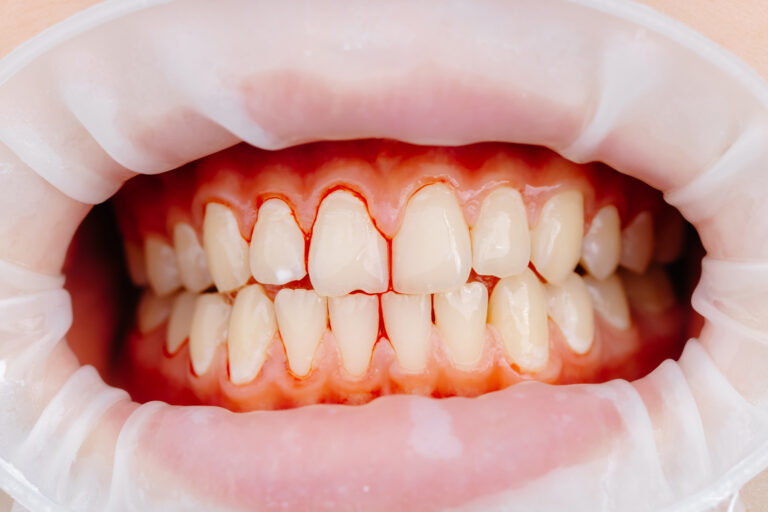
If your gums are healthy, you may only need a standard cleaning. If there are signs of gum disease, deeper pockets, bleeding, or heavy tartar under the gumline, you may need periodontal treatment instead.
That type of care is more involved than a routine cleaning, so it is usually priced differently.
How Long It Has Been Since Your Last Cleaning
If it has been several years, there may be more buildup to remove. In some cases, the appointment may need to be longer, or treatment may be staged across more than one visit.
Your Cavity and Gum Disease Risk
Some patients need added preventive services like fluoride or more frequent cleanings. Factors such as dry mouth, frequent cavities, pregnancy, diabetes, smoking, medications, and gum disease history can all affect your recommended care schedule.
Routine Cleaning vs Deep Cleaning
One of the biggest reasons patients see a different cost than expected is because they need a deep cleaning instead of a routine cleaning.
A routine cleaning is for patients without active gum disease. It removes plaque and tartar from the teeth and around the gumline.
A deep cleaning, also called scaling and root planing, is used when bacteria and tartar collect below the gumline. This is often recommended when gum pockets are deeper, gums bleed easily, or there are signs of periodontal disease. The CDC explains that periodontal disease involves inflammation and infection of the tissues that support the teeth, and treatment is important to prevent progression.
| Type of cleaning | Best for | Why cost differs |
| Routine cleaning | Healthy gums or mild buildup | Preventive maintenance |
| Deep cleaning | Gum disease or deeper gum pockets | More time, deeper instrumentation, often multiple areas |
| Periodontal maintenance | Patients with a history of gum disease | Ongoing gum disease control |
This is why a dental exam matters before quoting an exact treatment plan.
Does Dental Insurance Cover Teeth Cleaning?
Many dental insurance plans cover preventive cleanings, often once or twice per year. However, coverage depends on your specific plan, waiting periods, deductibles, network status, and whether additional services are needed.
Preventive and diagnostic dental benefits commonly include exams, X-rays, and basic cleanings, though every plan is different.
If you have insurance, Ames Dentistry can help you understand your benefits and estimate what may be covered before treatment.
How Often Should You Get a Teeth Cleaning?
Many patients do well with a cleaning every six months, but the right schedule depends on your risk level. Some patients need cleanings every three to four months, especially if they have gum disease, heavy tartar buildup, dry mouth, diabetes, or frequent cavities.
The American Dental Association recommends that dental visit frequency should be based on a dentist’s assessment of each patient’s needs, rather than one fixed schedule for everyone.
A personalized schedule helps prevent both over-treatment and under-treatment.
Is a Dental Cleaning Worth the Cost?
Yes, preventive cleanings are one of the most valuable dental services because they help catch problems early. A cleaning may cost less than treating a cavity, infection, broken tooth, or advanced gum disease later.
Skipping cleanings can allow tartar to build up, cavities to grow, and gum inflammation to progress. By the time pain appears, the treatment needed may be more complex and more expensive.
Think of cleanings as maintenance for your smile. Just like routine service helps prevent major car repairs, preventive dental care helps reduce the chance of bigger problems.
What If You Have Not Had a Cleaning in Years?
If it has been a long time since your last dental visit, do not let that stop you from scheduling. Many patients feel embarrassed, but our job is to help, not judge.
Your first visit may include a full exam, X-rays, gum measurements, and a cleaning recommendation based on what we find. If you only need a routine cleaning, we will let you know. If your gums need more support, we will explain the reason and walk you through your options.
How Ames Dentistry Helps Patients Plan for Care
At Ames Dentistry, we want patients to feel informed before moving forward. If you are concerned about cost, we encourage you to ask questions before your appointment.
We can help explain what is included in your visit, whether insurance may apply, and what type of cleaning is recommended after your exam. Our goal is to keep your care clear, comfortable, and focused on prevention whenever possible.
Schedule a Preventive Dental Cleaning at Ames Dentistry
If you have been wondering how much is a teeth cleaning in Ohio, the best next step is to schedule a visit and get a clear answer based on your actual needs. A routine cleaning can help prevent cavities, protect your gums, and catch small issues before they turn into larger problems.
Schedule a preventive dental cleaning with Ames Dentistry today. Our team will walk you through your options, explain any recommended care, and help you keep your smile healthy with a plan that makes sense for you.
FAQ: Teeth Cleaning Cost in Ohio
How much is a teeth cleaning without insurance?
A routine cleaning without insurance may commonly cost around $90 to $200, depending on the office and whether an exam, X-rays, or additional services are included. National estimates often place a simple cleaning close to $100.
Why did my cleaning cost more than expected?
The total may be higher if you are a new patient, need X-rays, need a dental exam, have heavy tartar buildup, or require a deep cleaning instead of a routine cleaning.
Is a deep cleaning more expensive than a regular cleaning?
Yes. Deep cleaning treats gum disease below the gumline and usually takes more time and clinical care than a routine preventive cleaning.
Does insurance usually cover cleanings?
Many plans cover preventive cleanings, but the details depend on your plan. Some plans cover two cleanings per year, while others have different limits or requirements.
How often should I schedule a teeth cleaning?
Many patients benefit from cleanings every six months. Patients with gum disease, frequent cavities, dry mouth, diabetes, or heavy tartar may need more frequent visits.
Can I get an exact price before my visit?
You can ask for a general estimate, but an exact recommendation usually requires an exam. That is because your cleaning type depends on your gum health, buildup, and diagnostic needs.