If you are missing one tooth, several teeth, or a full arch of teeth, you may be comparing implants vs dentures and wondering which option makes the most sense. Both can restore your smile, improve chewing, and support your confidence, but they work in very different ways.
At Ames Dentistry, we help patients understand their tooth replacement options clearly so they can make a decision based on comfort, health, lifestyle, and long-term goals.
What Are Dental Implants?
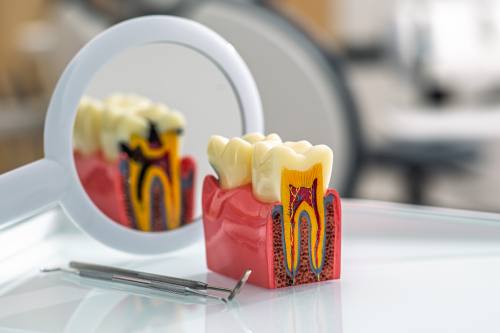
Dental implants are small posts that are surgically placed into the jawbone to act like artificial tooth roots. Once the implant heals and bonds with the bone, it can support a crown, bridge, or denture. According to Mayo Clinic, dental implants are placed in the jawbone and serve as the roots of missing teeth. They may be an option when dentures or bridgework do not fit well, or when there are not enough natural tooth roots to support other replacements.
Implants are known for stability because they are anchored in the jaw. They do not slip when you talk or chew, and they can feel very similar to natural teeth once fully restored.
What Are Dentures?
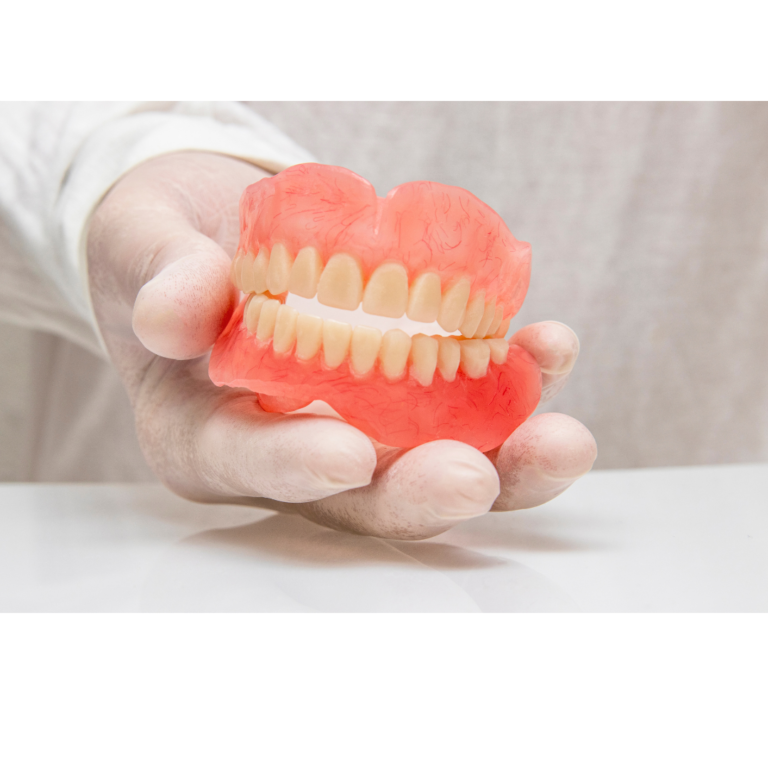
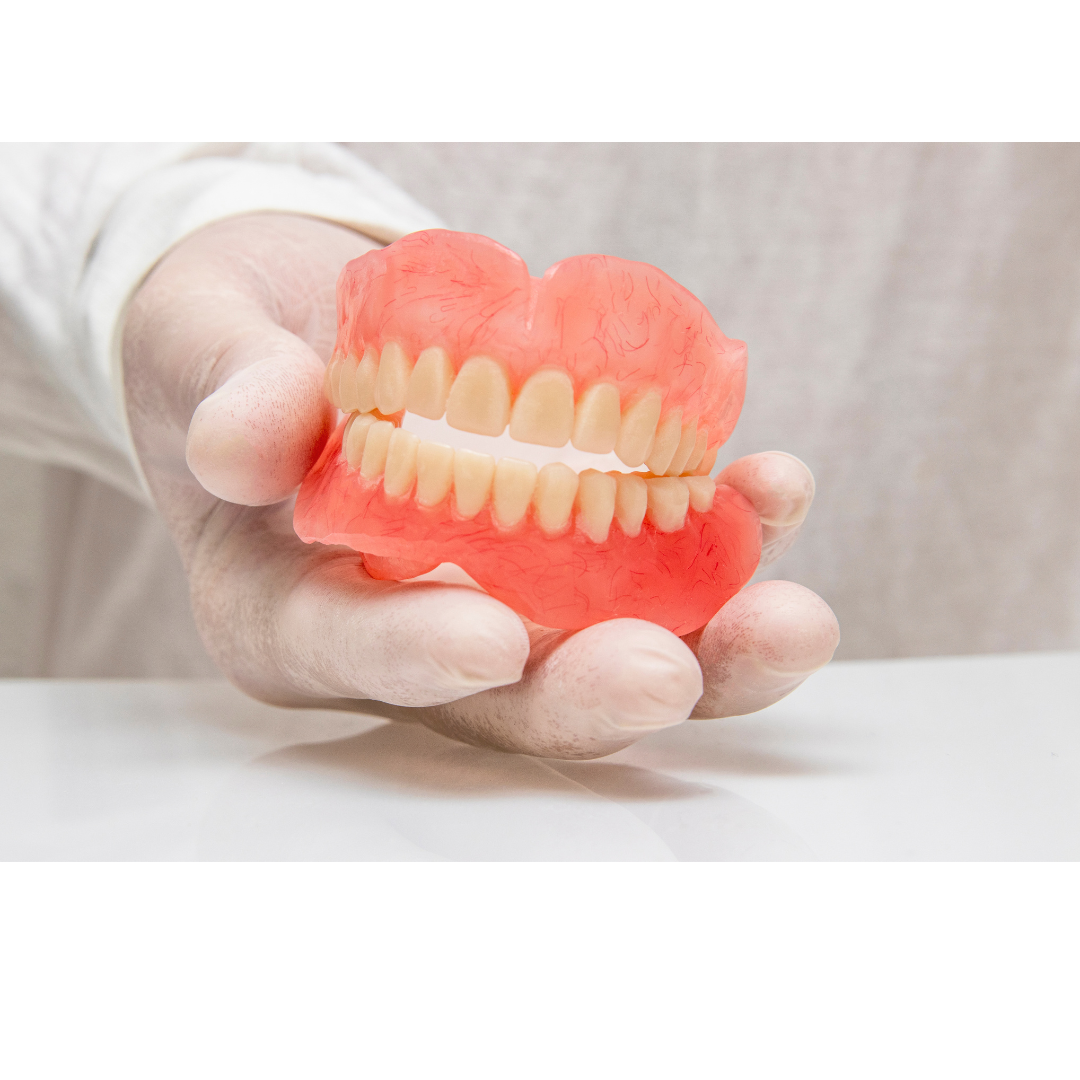
Dentures are removable appliances used to replace missing teeth. They can replace a full set of teeth or only some teeth, depending on your needs. The American Dental Association explains that dentures can be complete or partial, and they may be nonimplant-retained or implant-retained.
Traditional dentures rest on the gums and may require adhesive for added security. Implant-retained dentures attach to dental implants for better stability.
Implants vs Dentures: Main Differences
The biggest difference is how each option stays in place. Implants are fixed into the jawbone, while traditional dentures are removable and rest on the gums.
| Feature | Dental implants | Dentures |
| Stability | Fixed and secure | Removable, may shift |
| Surgery required | Yes | Usually no |
| Maintenance | Brush, floss, and regular checkups | Remove, clean, and soak daily |
| Bone support | Helps stimulate jawbone | Does not stimulate bone unless implant-supported |
| Upfront cost | Usually higher | Usually lower |
| Feel | Most similar to natural teeth | Takes time to adjust |
Neither option is “better” for everyone. The right choice depends on your oral health, bone support, budget, comfort preferences, and how many teeth need to be replaced.
Benefits of Dental Implants
Dental implants are often chosen by patients who want a long-term, stable tooth replacement. Because they are anchored in the jawbone, they can make chewing feel more natural and secure. They also help maintain bone stimulation in the area where teeth are missing.
Implants can be used in different ways. A single implant can replace one missing tooth, multiple implants can support a bridge, and several implants can help stabilize a denture. MouthHealthy by the American Dental Association notes that implants can support custom-made crowns, bridges, or dentures, depending on how many teeth are being replaced.
For patients who are good candidates, implants can be an excellent option for function, comfort, and confidence.
Benefits of Dentures
Dentures remain a common and practical choice, especially for patients missing several or all teeth. They are typically less expensive upfront than implants and do not usually require surgery. Dentures can also be made relatively quickly compared with implant treatment, which often requires healing time.
Modern dentures are designed to look more natural than many people expect. They can restore facial support, improve speech, and make eating easier after tooth loss. MouthHealthy by the American Dental Association also explains that replacing missing teeth with dentures can benefit both appearance and health.
For many patients, dentures offer a reliable way to restore a complete smile.
Maintenance and Daily Care
Implants require strong daily hygiene, just like natural teeth. You still need to brush, floss, and keep regular dental checkups to protect the gums and surrounding bone.
Dentures require a different routine. They should be removed and cleaned daily. The American Dental Association shares guidance from the American College of Prosthodontists recommending that dentures be cleaned daily by soaking and brushing with a nonabrasive denture cleanser.
With either option, routine dental visits are still important. Your dentist can monitor fit, function, gum health, and signs of wear.
Who May Be a Good Candidate for Implants?
You may be a good candidate for implants if you have healthy gums, enough jawbone to support the implant, and good overall health for oral surgery. Patients who do not smoke and who are committed to excellent home care often do well with implants.
If there has been bone loss, implants may still be possible, but additional planning may be needed.
Who May Be a Good Candidate for Dentures?
Dentures may be a good choice if you are missing many teeth, want a more affordable upfront option, or are not a candidate for implant surgery. Dentures may also be helpful when treatment needs to move faster or when a removable option fits your lifestyle better.
Some patients start with traditional dentures and later choose implant-retained dentures for added stability.
Can You Combine Implants and Dentures?
Yes. Implant-retained dentures are a popular middle-ground option. They combine the fuller replacement of dentures with the added stability of implants. This can be especially helpful for lower dentures, which can sometimes feel less secure than upper dentures.
This option is worth discussing if you like the coverage of dentures but want more confidence when eating, speaking, and smiling.
Talk to Ames Dentistry About Your Tooth Replacement Options
Choosing between implants and dentures is a personal decision. The best option depends on your health, your goals, your budget, and what will feel most comfortable for your daily life.
If you are comparing implants vs dentures, schedule a consultation with Ames Dentistry. We will evaluate your smile, explain your options, and help you choose the right path toward a healthier, more confident smile.
FAQs About Implants vs Dentures
Are implants more comfortable than dentures?
Many patients find implants more comfortable because they are fixed in place and do not rest directly on the gums. However, well-made dentures can also feel comfortable after the adjustment period.
Are dentures cheaper than implants?
Dentures usually cost less upfront. Implants often cost more initially, but they may offer stronger long-term stability and function.
Do dentures look natural?
Yes, modern dentures can be designed to look natural and fit your face. The quality of the fit and design makes a big difference.
Do implants last longer than dentures?
Implants can last many years with proper care, while dentures may need adjustments, relines, or replacement as your mouth changes over time.
Which option is better for eating?
Implants usually offer stronger chewing stability. Dentures can also improve chewing, but they may take more time to get used to.