Why Professional Cleanings Matter
Even with great brushing and flossing habits at home, your smile still needs professional care. Routine dental cleanings are one of the most important ways to maintain your oral health and prevent future problems. These visits remove hardened plaque (tartar), catch early signs of gum disease or decay, and keep your smile looking its best.
At Ames Dentistry, we believe preventive dentistry is the foundation of long-term oral wellness. Understanding what happens during a dental cleaning can help you feel more comfortable, confident, and prepared for your next appointment.
Who Needs Regular Dental Cleanings?
Everyone does! Whether you’re a child, teen, adult, or senior, routine cleanings are essential. Most patients benefit from cleanings every six months, while those with gum disease or other oral health concerns may need more frequent visits. Regular cleanings are a proactive way to:
- Prevent cavities and gum disease
- Catch issues early
- Brighten your smile
- Protect your long-term oral and overall health
Step 1: Initial Exam and Medical Review
What Your Hygienist Checks Before Cleaning
Your appointment begins with a quick medical history review, so we’re up to date on any changes in your health, medications, or concerns. Then, your dental hygienist performs an initial oral exam, checking for:
- Signs of gum inflammation (gingivitis)
- Loose or broken teeth
- Recession or oral lesions
- Plaque and tartar buildup
We may also take digital X-rays, especially if you’re due for your annual check or if you’ve mentioned discomfort. These early steps help us create a personalized and thorough cleaning plan just for you.
Step 2: Plaque and Tartar Removal
Using Special Tools to Keep Teeth Clean
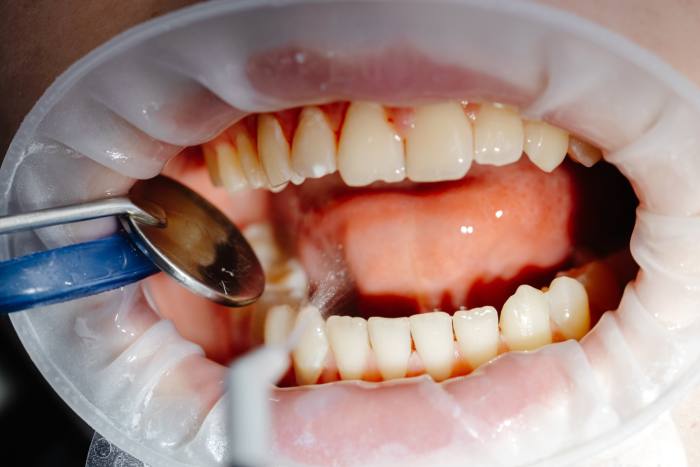
Next, your hygienist begins scaling—the process of gently removing plaque and hardened tartar (calculus) from your teeth, especially along the gumline and between teeth. This buildup can’t be removed by brushing or flossing alone and is a leading cause of gum disease.
We use professional-grade instruments and ultrasonic scalers that vibrate gently to break up tartar. The process is safe, effective, and typically painless—though we’re always happy to make adjustments if you feel sensitivity.
Step 3: Gritty Toothpaste Cleaning
Polishing Your Teeth for a Smooth Finish
Once plaque and tartar are removed, it’s time for tooth polishing. We use a high-powered electric brush and a special gritty toothpaste to scrub away any remaining stains and give your teeth a smooth, polished surface.
This step isn’t just about aesthetics—polishing your teeth makes it harder for new plaque to stick and helps keep your smile bright between visits and is far more effective than your everyday brushing that you do at home.
Step 4: Expert Flossing and Rinse
Removing Debris from Hard-to-Reach Areas
After polishing, your hygienist will floss between every tooth, removing any leftover debris or plaque that might have been loosened during the cleaning. It’s also a great opportunity for us to spot any tight contacts, bleeding points, or other signs of early gum issues.
Then, you’ll rinse thoroughly with water or a fluoride solution to wash away everything we’ve removed—leaving your mouth fresh and clean.
Step 5: Fluoride Treatment (If Applicable)
Why It Matters for Cavity Prevention
Depending on your age and risk factors, we may recommend a fluoride treatment at the end of your cleaning. Fluoride is a natural mineral that helps strengthen tooth enamel and prevent future decay.
The treatment is quick, painless, and available in several forms—gel, foam, or varnish. It’s especially helpful for:
- Children and teens with developing teeth
- Adults with a history of cavities
- Patients with exposed root surfaces or sensitivity
This added layer of protection can go a long way in keeping your teeth strong between visits.
Step 6: Dentist Exam and Recommendations
What Happens After the Cleaning Is Done
After your hygienist completes the cleaning, one of our dentists will come in for a comprehensive exam. We’ll check your:
- Teeth for signs of decay or damage
- Gums for inflammation, recession, or pockets
- Bite alignment and jaw function
- Soft tissues for signs of oral cancer
If we see anything that requires attention, we’ll explain it clearly and discuss your options. We may recommend sealants, nightguards, or follow-up appointments depending on your unique needs.
How Often Should You Schedule a Cleaning?
Guidance Based on Your Oral Health Needs
For most patients, a cleaning every six months is ideal. This schedule helps prevent buildup, detect issues early, and keep your teeth and gums healthy. However, if you have gum disease, wear braces, or have other specific concerns, we may suggest visiting every 3–4 months for optimal care.
Our team at Ames Dentistry tailors your cleaning schedule to your individual health—not just a standard timeline.
Feel Informed and Confident Before Your Visit
Now that you know what to expect during a routine dental cleaning, there’s no need to feel nervous or unsure. These visits are quick, comfortable, and one of the best ways to protect your smile for life.
Whether it’s been six months or six years since your last cleaning, Ames Dentistry is here to welcome you without judgment and with expert care. Schedule your next visit today and enjoy a fresh, healthy start for your smile.