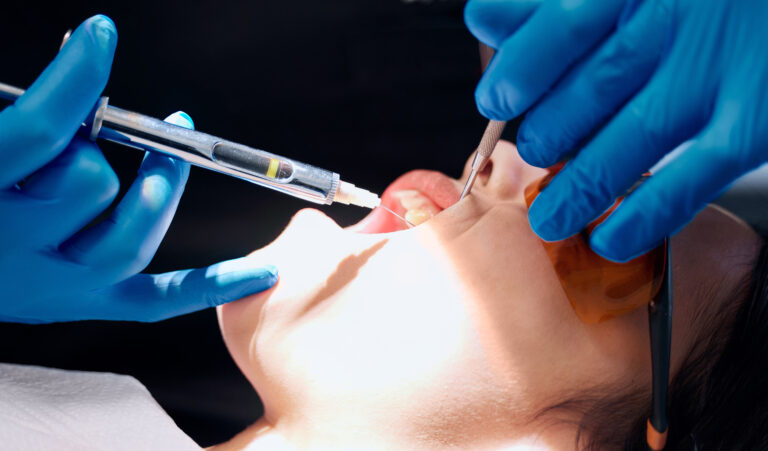
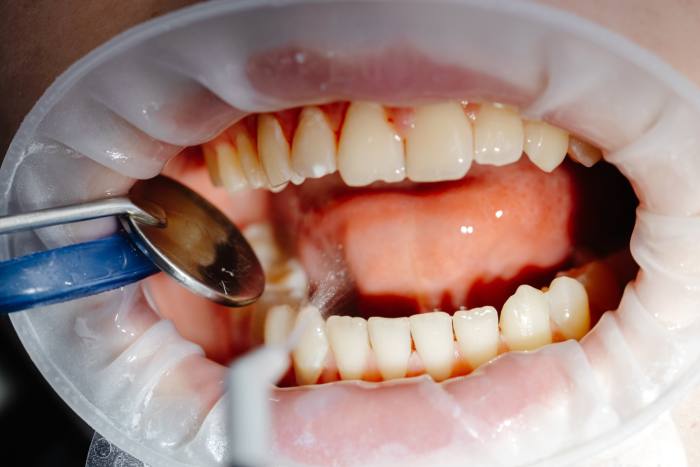
How long does cavity numbing last is usually 2 to 5 hours, depending on the anesthetic used, the location of the injection (upper vs lower jaw), and your personal metabolism. Most people feel their tooth stop being numb sooner than their lip or tongue. Cleveland Clinic notes that numbness from local dental anesthesia often wears off within a couple of hours for many patients, with variation based on factors like dose and the individual.
If you are leaving the dentist feeling puffy-lipped and wondering when you can eat normally again, this guide is for you. It covers typical timelines, what affects how long numbness lasts, safe ways to help sensation return, and clear eating and drinking milestones.
What “Cavity Numbing” Actually Means
For a filling, your dentist uses local anesthesia to block pain signals from the nerves in the treatment area. You may still feel pressure or movement, but sharp pain should be minimized.
Two types of numbness are happening at the same time:
- Tooth numbness (pulpal anesthesia): the nerve inside the tooth is numbed.
- Soft tissue numbness: your lip, cheek, tongue, and gum tissue feel numb or “thick.”
Soft tissue numbness almost always lasts longer than tooth numbness, which is why your bite can feel normal before your lip feels normal.
Typical Timeline: How Long Does Cavity Numbing Last?
Most fillings use shorter-to-moderate duration anesthetics. In general, you can expect your lip and cheek to stay numb longer than the tooth itself. Cleveland Clinic explains that these effects usually resolve within about two hours for many people, but the exact timing depends on dose and individual factors.
Here is a practical chart you can use for planning your day.
Common timeframes patients notice
| What you feel | Typical timeframe |
| Tooth feels numb (pain blocked) | About 1 to 2 hours for many fillings |
| Lip, cheek, tongue feel numb | Often 2 to 5 hours |
| Tingling as it “wakes up” | Usually starts within a few hours |
| Back to normal | Commonly within 4 to 6 hours |
If your procedure involves a lower jaw nerve block, numbness often lingers longer than upper jaw injections.
Why Your Numbing Might Last Longer Than Someone Else’s
If you are comparing your experience to a friend’s and thinking, “Why am I still numb,” there are a few common reasons.
1. Upper vs lower jaw
Lower jaw fillings often require a nerve block that affects a larger area. That can mean longer lip and tongue numbness.
2. Type of anesthetic and whether epinephrine was used
Many local anesthetics are paired with epinephrine to help the anesthetic stay in place longer by reducing blood flow in the area.
3. Dose and number of injections
A deeper cavity, multiple teeth, or difficulty getting fully numb may require additional anesthetic. More medication can mean more time before it fully wears off. Cleveland Clinic notes dose can affect how long anesthesia lasts.
4. Your metabolism and circulation
Some people process anesthetics faster or slower. Age, body chemistry, and certain health conditions can influence how quickly the medication clears.
5. Inflammation in the area
If the tooth was very irritated or there was infection, anesthesia can behave a little differently. Your dentist may need to use a different approach to keep you comfortable.
How Long Does Numbing Last by Anesthetic Type?
Not every filling uses the same medication. Some offices use lidocaine, some use articaine, and long-acting anesthetics are typically reserved for more involved procedures.
Typical durations by medication
| Anesthetic (examples) | Tooth numbness (pulpal) | Soft tissue numbness (lip, cheek, tongue) |
| Articaine with epinephrine | About 60 minutes | About 3 to 5 hours |
| Bupivacaine with epinephrine (long acting) | Longer acting, often used for surgical cases | About 4 to 9 hours |
For most routine cavities and fillings, the soft tissue numbness you notice typically falls into the “a few hours” range, not the “all day” range.
Eating and Drinking Milestones After a Filling
This is the part most patients care about, especially if they have to go back to work or pick up kids.
When can I drink?
You can usually drink right away, but stick to water while numb. Hot drinks can burn you without you realizing it, and you may dribble without noticing. Once you start feeling tingling, you are closer to safe sipping of warmer drinks.
When can I eat?
If your mouth is still numb, chewing can be risky because you can bite your cheek or tongue. A good rule is to wait until lip and tongue numbness are mostly gone.
If you truly need to eat sooner, choose something soft and lukewarm, chew slowly, and try to chew on the opposite side. Still, the safest option is waiting.
What about sticky or hard foods?
Even after numbness wears off, a new filling can feel “different” for a day or two. Avoid very sticky foods until you feel confident the bite feels normal.
Safe Ways to Help Numbness Wear Off Faster
There is no instant trick that safely “turns it off,” but there are a few gentle options that can help your body clear the anesthetic.
Move your jaw and facial muscles
Light talking, smiling, and gently moving your jaw can increase circulation. Avoid aggressive chewing while numb.
Warm compress on the outside of the face
A warm compress can help increase blood flow and speed clearance for some people. Use mild warmth, not heat, and only for short intervals.
Hydrate
Water helps your body function normally and can support recovery, especially if your mouth is dry.
What not to do
Avoid biting, poking, or “testing” the numb area with sharp foods. Also avoid very hot drinks or soups until sensation is back.
What Is Normal, and When Should You Call the Dentist?
Most numbness resolves within hours. Tingling as sensation returns is common.
Call your dental office if:
- Numbness lasts into the next day (especially beyond 12 to 24 hours)
- You have worsening pain, swelling, or a rash
- You notice weakness in facial muscles, or you cannot control your lip normally
- You suspect you injured your cheek or tongue and it is not improving
Lingering numbness is uncommon, but it is worth checking in if it feels abnormal or persistent.
A quick next step if you are still unsure
If numbness feels unusual, lasts longer than expected, or you have questions about eating and recovery after a filling, call Ames Dentistry. We would rather you ask than sit at home worried.
We can tell you what is typical for your specific treatment, help you troubleshoot anything that feels off, and make sure you stay comfortable after your visit. If you are due for a cleaning or you have tooth pain that may need a filling, schedule an appointment so we can take care of it early and keep your smile healthy.
FAQs: Quick Answers Patients Search For
How long does cavity numbing last for a small filling?
Often around 2 to 4 hours for soft tissues, with the tooth itself feeling normal sooner. Your timeline depends on the anesthetic and whether the injection was in the lower jaw.
Why is my lip still numb but my tooth feels fine?
Soft tissue numbness lasts longer than tooth numbness because the anesthetic takes longer to clear from lips and cheeks.
Can I eat right after a filling if I am numb?
It is safest to wait until numbness has mostly worn off. If you must eat, choose soft foods and chew carefully, but biting your cheek or tongue is a real risk.
How long does numbing last with articaine?
The ADA notes that with epinephrine, articaine provides about 60 minutes of tooth numbness and 3 to 5 hours of soft tissue numbness.
Why does lower jaw numbing seem to last longer?
Lower jaw injections often involve a nerve block that affects a larger area, which can extend lip and tongue numbness.
How long does long-acting dental anesthesia last?
Some long-acting anesthetics, like bupivacaine with epinephrine, can produce soft tissue numbness for about 4 to 9 hours.