Scrolling through veneers before and after photos can be exciting, but it can also raise a lot of questions. Are those results realistic for the average person? Do veneers look natural in real life? How long do they last? And what does it actually take to get them?
At Ames Dentistry, we talk with patients every week who want a brighter, more even smile, but they also want honest expectations. Veneers can be a powerful cosmetic dentistry option, but the best results come from the right fit, the right planning, and the right habits afterward.
This guide breaks down what veneers can realistically change, what the process looks like, how long results typically last, and who is and is not a good candidate. If you are considering veneers, this will help you feel more informed before you take the next step.
What Are Veneers?
Dental veneers are thin shells that cover the front surface of a tooth. They are custom designed to improve color, shape, symmetry, and overall smile balance. Porcelain is a common material because it reflects light in a way that looks similar to natural enamel and resists stains better than many other cosmetic options.
Veneers are often part of a smile makeover, but they can also be used to improve just one tooth that stands out.
Veneers Before and After: What Changes Can You Expect?
Before and after transformations usually fall into a few common categories. The biggest improvements tend to be in smile uniformity, brightness, and overall harmony.
Whitening resistant stains become less noticeable
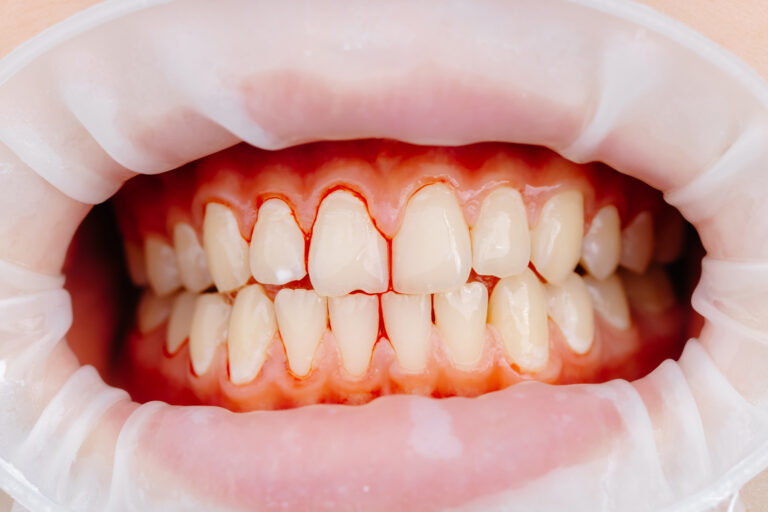
Some discoloration does not respond well to whitening, especially deep stains or teeth that have a blotchy appearance. Veneers can create a more consistent shade across the front teeth, which is one reason veneers before and after results can look so dramatic in photos.
Chipped or worn edges look smoother and more even
Small chips, worn enamel, and uneven edges can make teeth look older or less symmetrical. Veneers can restore the natural shape of the tooth edge, which often makes the smile look healthier and more polished.
Minor spacing and uneven shapes can be corrected
If you have small gaps, uneven tooth width, or teeth that look too short, veneers can adjust the proportions so the smile looks more balanced. This is especially helpful when the goal is symmetry without orthodontics, although not every spacing or alignment issue is a good match for veneers.
A single tooth can blend in better
Sometimes it is one front tooth that looks darker, shorter, or slightly rotated. In those cases, veneers can be used in a targeted way so that one tooth matches the surrounding teeth more naturally.
Realistic Veneers Before and After Examples
Not every veneer transformation needs to be a total makeover. In fact, many of the best results look natural because they are designed to look like the patient’s real smile, just refined.
Here are realistic scenarios that often lead people to consider veneers:
Example 1: Staining that does not lift with whitening
Before: Teeth look healthy, but whitening has hit a ceiling. The color still feels dull or uneven.
After: Veneers create a brighter, more consistent shade without making the smile look overly white.
Example 2: Chipped front tooth from wear or an accident
Before: One or two front teeth have small chips that catch the eye in photos.
After: Veneers restore smooth edges and match the surrounding teeth so the repair blends in.
Example 3: Small gaps and mismatched tooth shapes
Before: Teeth are generally straight, but there are small spaces or teeth that look different sizes.
After: Veneers close minor gaps and refine the shape so the smile looks more even.
Example 4: Worn down teeth from grinding
Before: Teeth look shorter and flatter than they used to.
After: Veneers can rebuild length and shape, but only when grinding is controlled and protected with a nightguard.
These are the types of results that tend to look believable in everyday life. If you are seeing veneers before and after photos that look extremely uniform, extremely white, or dramatically different, it may be a sign that the veneers were designed to look more “cosmetic” on purpose. Natural looking veneers are absolutely possible, but the design choices matter.
What the Veneer Process Looks Like
Every office has its own workflow, but most veneer treatment follows a similar path:
1. Consultation and smile planning
This is where your goals are discussed. What you like, what you want to change, and what you want to keep the same. Your dentist will evaluate your tooth structure, bite, and gum health to make sure veneers are a good fit.
2. Shade and shape decisions
This part is more important than people realize. A natural smile is not just one flat white color. It has subtle variations and a shape that fits your face. Good veneer planning focuses on proportion, symmetry, and how your smile moves when you speak.
3. Tooth preparation and impressions
Many veneers require removing a small amount of enamel so the veneers fit properly and do not look bulky. The exact amount depends on your starting tooth shape and the desired result. Impressions or digital scans are used to design the veneers.
4. Temporary veneers
In many cases, temporary veneers are placed while the final restorations are being created. This gives you a preview of the look and feel and helps protect your teeth.
5. Final placement
Once the final veneers are ready, they are bonded in place and adjusted for comfort and bite. The goal is a smile that looks great and feels normal.
How Long Do Veneers Last?
One of the most common questions behind veneers before and after searches is longevity. With good care, porcelain veneers can last a long time, often in the range of 10 to 15 years, and sometimes longer. That said, veneers are not indestructible. Their lifespan depends on habits, bite forces, oral hygiene, and regular dental visits.
Veneers may need replacement over time due to normal wear, gum changes, chipping, or changes in your overall smile goals.
Veneer Maintenance: How to Protect Your Results
Veneers are low maintenance, but they still require good habits. Here is what helps them last:
Brush and floss consistently
Veneers protect the front of the tooth, but the tooth and gumline still need daily care. Plaque buildup can cause gum inflammation and decay at the margins if hygiene is neglected.
Avoid using your teeth as tools
Opening packages, biting nails, chewing on pens, and similar habits can chip veneers.
Be mindful with very hard foods
Ice, hard candies, and other high force bites can cause damage. You do not have to live on soft foods, but you do want to use common sense.
If you grind your teeth, protect your veneers
Teeth grinding is one of the biggest risk factors for chipping and wear. If you clench or grind, a custom nightguard can help protect your veneers and your natural teeth.
Keep up with professional cleanings
Routine cleanings help maintain gum health and allow your dentist to monitor the veneers over time.
Who Is a Good Candidate for Veneers?
Veneers can be a great option for patients who want cosmetic improvement and have healthy foundations. You may be a good candidate if you:
- Have cosmetic concerns like staining, small chips, uneven shapes, or minor gaps
- Have healthy gums and no untreated decay
- Have enough enamel for secure bonding
- Want a long term solution and are willing to maintain it
A veneer consultation is also a chance to talk about alternatives. Sometimes bonding, whitening, or aligners can achieve the goal with less change to tooth structure.
Who Might Not Be a Good Candidate?
Veneers are not always the right choice. You may need other treatment first, or a different option altogether, if you have:
- Active gum disease or frequent gum inflammation
- Significant tooth decay that needs restorative treatment
- Severe grinding or clenching that is not controlled
- Major bite issues or significant misalignment
- Very thin enamel or teeth that do not have enough structure
If alignment is the main concern, clear aligners may be a better first step. If the tooth is heavily damaged, a crown may be more appropriate than a veneer. The best approach depends on what your teeth need long term, not just what looks best in a photo.
Veneers vs Whitening, Bonding, and Aligners
Veneers are not the only path to a better smile. Here is how they compare to common alternatives:
- Whitening is best for general discoloration when enamel is healthy and stains are responsive.
- Bonding is best for small chips and minor shape changes, and it can often be done quickly. It may stain or wear faster than porcelain.
- Clear aligners are best for correcting spacing and alignment issues. They can improve function as well as appearance.
- Veneers are best when you want to change color and shape at the same time, especially when other options cannot create the desired result.
Setting Expectations: The Best Veneers Look Like You
The most satisfying veneers before and after results are usually the ones that still feel like the patient. A good veneer outcome should:
- Fit your facial features and smile line
- Look natural in different lighting
- Feel comfortable when you bite and speak
- Support long term gum health
If your goal is a bright, symmetrical smile that still looks real, planning matters just as much as the veneer material itself.
See If Veneers Are Right for You
If you have been researching veneers before and after results and wondering what is realistic for your smile, the best next step is a consultation. At Ames Dentistry, we help you compare options, understand what veneers can and cannot do, and build a plan that fits your goals and your oral health.
See If Veneers Are Right for You. Schedule a consultation with Ames Dentistry to explore your smile makeover options and get clear, personalized guidance.