If your teeth look longer than they used to, or you have noticed new sensitivity near the gumline, you might be dealing with gum recession. Gum recession is common, and it often happens gradually. Many people do not realize it is happening until the change is obvious.
This article answers a question we hear frequently at Ames Dentistry: what causes receding gums. We will explain what gum recession is, the most common causes and risk factors, early warning signs to watch for, and the preventive steps that can help protect your gums long term.
What Is Gum Recession?
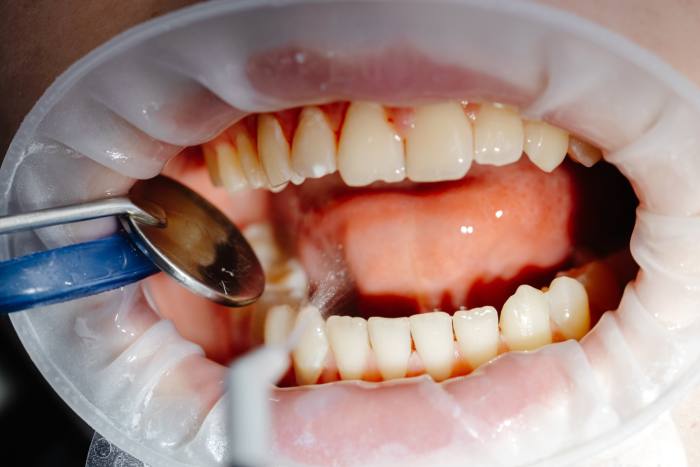
Gum recession happens when gum tissue pulls back from the teeth, exposing more of the tooth surface and sometimes the root. Since the root surface is not protected by enamel the way the crown of the tooth is, exposed roots can lead to sensitivity, a higher risk of decay, and irritation along the gumline.
Gum recession can affect one tooth or multiple teeth. It can be mild and cosmetic, or it can be more serious when it is tied to gum disease or bone loss.
What Causes Receding Gums?
There is rarely just one cause. In many cases, gum recession develops from a combination of habits, genetics, bite forces, and oral health conditions. Here are the most common explanations for what causes receding gums:
Brushing Too Hard or Using the Wrong Toothbrush
One of the most common and preventable causes is aggressive brushing. Scrubbing your teeth with a heavy hand, especially with a medium or firm bristled brush, can wear down the gumline over time. It can also contribute to enamel wear near the roots.
A soft bristled toothbrush and gentle pressure are usually enough to clean effectively. If you are unsure about your technique, your hygienist can show you simple adjustments that reduce damage while still removing plaque.
Gum Disease and Chronic Inflammation
Gum disease is a leading cause of gum recession. When bacteria build up below the gumline, the gums become inflamed and begin to pull away from the teeth. Over time, this can lead to deeper pockets, gum recession, and bone loss that affects tooth stability.
Early gum disease can be subtle. Bleeding when brushing, persistent bad breath, and gum tenderness are all possible early clues.
Teeth Grinding or Clenching
Grinding and clenching put extra stress on your teeth and supporting tissues. Over time, this pressure can contribute to gum recession, especially in areas where the bite hits harder or the tooth position concentrates force.
Many people grind at night without realizing it. Morning jaw soreness, headaches, or worn down teeth can be signs. A nightguard can help reduce damage and protect your gums as well as your enamel.
Genetics and Thin Gum Tissue
Some people naturally have thinner gum tissue or a thinner bone structure around the teeth. If your gums are thin, they are more likely to recede even with good oral hygiene.
Genetics do not guarantee gum recession, but they can increase risk. If gum recession runs in your family, preventive care and early monitoring become even more important.
Tobacco Use and Nicotine Products
Smoking and other nicotine use can reduce blood flow to the gums, making it harder for gum tissue to stay healthy and heal properly. Tobacco use also increases plaque buildup and is strongly linked to gum disease progression.
Even when brushing habits are good, nicotine can make gum problems more likely and harder to control.
Hormonal Changes
Hormonal shifts can make gums more sensitive and more prone to inflammation. Pregnancy, menopause, and other hormonal changes can increase gum irritation and bleeding, which may contribute to gum problems when plaque control is not consistent.
Misaligned Teeth or an Uneven Bite
When teeth are crowded, rotated, or misaligned, the gum tissue may be under tension in certain areas. An uneven bite can also concentrate force on specific teeth, which may contribute to recession over time.
In some cases, orthodontic treatment or bite adjustments can help improve long term gum stability.
Poor Oral Hygiene or Inconsistent Dental Visits
Plaque that stays at the gumline leads to inflammation. Inflammation that persists can cause gum tissue to pull back. When cleanings are missed, tartar builds up and becomes harder to remove, increasing the chance of gum disease and recession.
Consistent daily home care plus routine professional cleanings are key for prevention.
Risk Factors That Make Gum Recession More Likely
Some factors increase risk even if you are brushing and flossing regularly:
- A history of gum disease
- Bleeding gums or chronic inflammation
- Teeth grinding or jaw clenching
- Smoking or nicotine use
- Thin gums or a family history of recession
- Crowded teeth or bite problems
- Inconsistent dental cleanings
- Poorly fitting dental restorations that trap plaque
If any of these apply to you, it is worth discussing gum recession prevention at your next visit.
Early Warning Signs of Receding Gums
Gum recession is often painless in early stages, which is why it can go unnoticed. Watch for:
- Teeth appearing longer than before
- Sensitivity to cold, sweets, or touch near the gumline
- A visible notch or indentation near the gumline
- Gums that look uneven from tooth to tooth
- Bleeding during brushing or flossing
- Bad breath that does not improve with brushing
- Food getting stuck more often between teeth
- Tenderness or swelling along the gumline
If you notice these changes, early evaluation can help prevent further tissue loss.
How to Prevent Gum Recession
Prevention is often about small changes that protect gum tissue over time.
Use a Soft Brush and Gentle Technique
Brush twice daily with a soft bristled toothbrush. Focus on the gumline, but use light pressure. If you use an electric toothbrush, choose a model with a pressure sensor or set it to a gentle mode.
Floss Daily and Clean Between Teeth
Daily flossing helps remove plaque where brushes cannot reach. If floss is difficult, ask about floss picks, interdental brushes, or water flossers.
Address Grinding and Clenching
If you suspect nighttime grinding, ask about a custom nightguard. This can reduce stress on teeth and gums and help prevent wear.
Treat Gum Disease Early
If you have gingivitis or early periodontal disease, prompt treatment can help stop inflammation before it causes permanent changes. Professional cleanings, deep cleanings when needed, and home care guidance make a major difference.
Keep Up With Routine Cleanings
Even patients with great brushing habits can develop tartar. Regular cleanings help remove buildup, catch early changes, and keep gums healthier over time.
Avoid Tobacco and Nicotine
Quitting or reducing nicotine use can improve gum health and reduce risk. If you use nicotine, consistent dental care becomes even more important.
Treatment Options for Receding Gums
Treatment depends on the cause and how advanced the recession is.
Professional Cleanings and Gum Therapy
If plaque and tartar are contributing, a professional cleaning may be enough. If deeper pockets are present, scaling and root planing may be recommended to clean below the gumline and reduce inflammation.
Desensitizing Treatments and Protective Restorations
For exposed roots and sensitivity, fluoride treatments, desensitizing products, or protective restorations may help. In some cases, bonding can cover exposed root areas to reduce discomfort and protect against decay.
Bite or Orthodontic Evaluation
If an uneven bite or tooth position is contributing, addressing alignment or bite forces may help reduce ongoing recession risk.
Gum Grafting in Advanced Cases
When recession is significant, gum grafting may be recommended to restore coverage and protect the roots. This is not needed for every patient, but it can be an effective option when tissue loss is advanced.
Book a Preventive Dental Checkup
If you have been wondering what causes receding gums, the most important thing to know is that early action can help prevent progression. Gum recession does not always cause pain, but it can lead to sensitivity, decay, and long term gum and bone issues if ignored.
At Ames Dentistry, we can evaluate your gum health, identify the cause, and recommend preventive steps or treatment based on your needs.
Book a Preventive Dental Checkup with Ames Dentistry to protect your gums and keep your smile healthy.