Why Gum Health Is Crucial to Total Health
Your gums do more than just hold your teeth in place—they play a vital role in your overall health. Gum disease (also called periodontal disease) has been linked to serious conditions like heart disease, diabetes, and stroke. When gums are inflamed or infected, bacteria can enter the bloodstream and affect your entire body.
The good news? Gum disease is preventable and treatable—especially when caught early. But many people miss the warning signs until damage has already begun. At Ames Dentistry, we believe in proactive care, and that starts with understanding the early symptoms.
What Is Gum Disease and How Does It Start?
Gum disease begins when plaque, a sticky film of bacteria, builds up along the gumline. If not removed through regular brushing, flossing, and professional cleanings, it hardens into tartar and causes inflammation of the gums—a condition called gingivitis. Left untreated, gingivitis can progress to periodontitis, a more serious form of gum disease that affects the supporting bone around your teeth.
Recognizing the early signs of gum disease can help you act quickly and prevent long-term damage. Regular checkups with your dentist are important and can help to catch these warning signs early and protect your oral health.
1. Bleeding Gums When Brushing or Flossing
Don’t Ignore This Common Red Flag
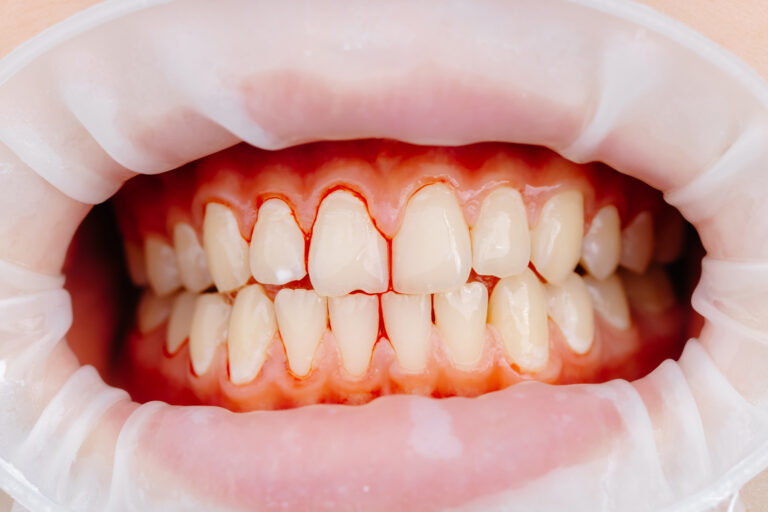
If your gums bleed when you brush or floss, it’s not normal—and it’s not something to ignore. This is often the first and most noticeable sign of gingivitis. Bleeding is your body’s way of telling you that your gums are inflamed and irritated by plaque buildup.
While some people dismiss bleeding gums as “brushing too hard,” it’s much more likely a sign that your gum health needs attention.
2. Swollen, Tender, or Red Gums
Inflammation Is a Key Indicator
Healthy gums should be pink and firm—not red, puffy, or sore. If your gums are swollen or feel tender to the touch, this could be a clear sign of gum disease. Inflammation is your immune system’s response to bacterial infection under the gumline.
This early stage is reversible with professional cleaning and improved oral hygiene—but only if caught in time.
3. Persistent Bad Breath or Bad Taste
Gum Infections Can Cause Halitosis
Do you struggle with chronic bad breath, even after brushing or using mouthwash? Gum disease could be the culprit. As bacteria break down around the gums, they produce foul-smelling sulfur compounds that cause persistent halitosis.
You may also notice a bad taste in your mouth that doesn’t go away. If breath mints aren’t solving the issue, it’s time to get checked for underlying gum infection.
4. Gum Recession or Teeth Appearing Longer
What It Means When Gums Pull Back
If your teeth look like they’re getting longer, it’s not your imagination—it’s likely gum recession. As gum disease progresses, the gum tissue pulls away from the teeth, exposing more of the tooth and even the root.
Receding gums not only affect your smile, but they also increase sensitivity and the risk of decay or infection. Gum grafting or other treatments may be needed to restore the gumline, depending on the extent of the damage.
5. Pain When Chewing or Sensitive Teeth
Discomfort May Signal Advanced Gum Issues
Do you experience sharp pain when chewing or increased sensitivity to hot and cold foods? Gum disease can cause the gums to separate from the teeth, creating pockets where bacteria can thrive. These infected pockets can lead to pain, pressure, and tooth sensitivity.
This is more than just a minor nuisance—it could mean periodontal disease has progressed, and treatment is necessary to prevent tooth loss.
6. Loose or Shifting Teeth
Bone Loss From Gum Disease Affects Stability
As gum disease attacks the supporting bone around your teeth, your teeth may start to feel loose or shift out of alignment. You might notice that your bite feels different or that there are gaps between your teeth that weren’t there before.
This is a serious sign of advanced periodontitis and may require deep cleaning (scaling and root planing), laser therapy, or even surgical intervention.
7. Pus Between Teeth and Gums
This Indicates Infection Needing Immediate Care
One of the most urgent signs of gum disease is the presence of pus or discharge between the teeth and gums. This indicates an active infection that needs immediate treatment. Pus often comes with swelling, pain, or a foul taste—and should never be ignored.
If you see any signs of infection in your mouth, call Ames Dentistry right away for an evaluation.
What to Do If You Notice These Signs
Get Evaluated at Ames Dentistry
If any of these warning signs sound familiar, don’t wait. Gum disease doesn’t go away on its own—and the longer it’s left untreated, the more damage it can cause.
At Ames Dentistry, we take a gentle but thorough approach to gum care. Our team will assess your gum health, measure pocket depth, take digital X-rays if needed, and explain your options clearly.
Treatment Options for Every Stage
We offer personalized treatment plans for every stage of gum disease, including:
- Routine cleanings and hygiene coaching for early-stage gingivitis
- Deep cleanings (scaling and root planing) for moderate periodontitis
- Laser therapy or antibiotics to reduce infection
- Referral to a periodontist for complex cases if needed
We also provide guidance on how to improve your at-home routine to keep your gums healthy long after treatment.
Protect Your Smile—Don’t Wait on Gum Health
Your gums are the foundation of your smile, and taking care of them is key to protecting your oral and overall health. The earlier you catch gum disease, the easier it is to treat—and even reverse in many cases.
If you’re experiencing bleeding, swelling, bad breath, or other signs of trouble, schedule a gum evaluation with Ames Dentistry today. We’re here to help you stay healthy, confident, and smiling for years to come.