If you have sensitive teeth, the idea of whitening can feel risky. You may want a brighter smile, but you do not want sharp zings of pain every time you drink something cold.
The good news is that teeth whitening can be safe for many people with sensitivity when it is done carefully. The better question is not just whether whitening is safe, but whether your teeth are ready for it.
At Ames Dentistry, we help patients choose whitening options that fit their smile goals without ignoring comfort, enamel health, or gum health.
Why Whitening Can Cause Sensitivity
Most whitening treatments use peroxide-based ingredients to lift stains from the teeth. These ingredients can temporarily make teeth more sensitive, especially if enamel is worn, roots are exposed, or gums are irritated.
Cleveland Clinic notes that temporary tooth sensitivity and gum irritation are common after starting whitening products. They also warn that overly aggressive bleaching can contribute to enamel concerns and changes in tooth structure.
This is why professional guidance matters, especially if you already have sensitive teeth.
When Whitening May Be Safe for Sensitive Teeth
Whitening may be a good option if your sensitivity is mild, occasional, and not caused by an untreated dental problem. For example, some patients have sensitivity from thin enamel, gum recession, or recent dental work, but can still whiten safely with the right plan.
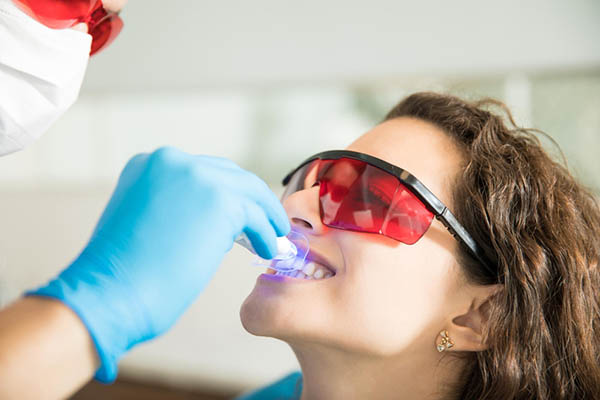
A dentist may recommend a slower whitening approach, a lower-strength whitening gel, custom trays, desensitizing toothpaste, or spacing out treatments to reduce discomfort.
The American Dental Association notes that some people who use whitening products may experience tooth sensitivity, and patients with preexisting sensitivity should talk with their dentist about risks and benefits before whitening.
When You Should Wait to Whiten
Whitening is not always the right first step. If your sensitivity is caused by a cavity, cracked tooth, gum disease, worn enamel, or exposed roots, whitening may make discomfort worse.
Before whitening, it is best to treat the source of the sensitivity. This may include a filling, gum care, fluoride treatment, bonding over exposed root surfaces, or changes to your brushing routine.
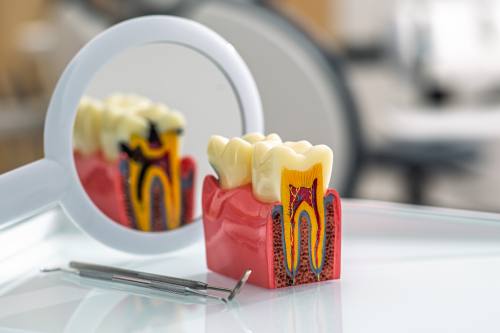
Mayo Clinic explains that sensitive teeth can happen when enamel wears down or tooth roots become exposed, and teeth whiteners may also lead to sensitivity.
Professional Whitening vs Store-Bought Whitening
Both professional and over-the-counter whitening options can work, but they are not the same experience.
| Whitening option | What to know |
| Professional whitening | Supervised by a dental team and can be adjusted for sensitivity |
| Custom take-home trays | More controlled fit than generic trays and often easier to manage |
| Whitening strips | Convenient, but may irritate gums if they do not fit well |
| Whitening toothpaste | Helps remove surface stains, but usually does not change deep tooth color |
| DIY whitening trends | Can be risky and may damage enamel or gums |
If you have sensitive teeth, professional guidance is usually the safer place to start. A dentist can help you avoid products that are too strong, too frequent, or not right for your enamel.
How to Whiten Sensitive Teeth More Comfortably
If you are a candidate for whitening, there are several ways to make the process easier on sensitive teeth.
Start by using a sensitivity toothpaste for a couple of weeks before whitening. These toothpastes can help calm the nerves inside the teeth over time.
You can also whiten more slowly. A gradual approach may be better than trying to get dramatic results in one session. Using whitening products less often, shortening wear time, or choosing a lower-strength formula may reduce discomfort.
It is also smart to avoid very cold drinks, acidic foods, and aggressive brushing during the whitening process. Your teeth may be more reactive for a short time.
What Results Can You Expect?
Whitening works best on natural enamel with surface or age-related staining. It can help brighten yellowing from coffee, tea, wine, or everyday discoloration.
Whitening will not change the color of crowns, veneers, fillings, or bonding. The American Dental Association explains that whitening does not work on restorations such as crowns, veneers, fillings, or caps.
If you have visible dental work near the front of your smile, your dentist can help you plan around it so the final result looks balanced.
Who May Not Be a Good Candidate?
You may need to delay or avoid whitening if you have untreated cavities, active gum disease, severe sensitivity, worn enamel, exposed tooth roots, or dental work that would not match after whitening.
Cleveland Clinic also notes that people with active gum disease, worn-down enamel, or untreated cavities may not be good candidates for bleaching.
This does not mean you cannot improve your smile. It just means your dentist may recommend treating the underlying issue first or considering another cosmetic option.
Talk to Ames Dentistry Before Whitening Sensitive Teeth
If you want a brighter smile but worry about sensitivity, Ames Dentistry can help you choose a safe, realistic whitening plan. We will check for cavities, enamel wear, gum recession, and other issues that could make whitening uncomfortable.
Schedule a cosmetic dentistry consultation with Ames Dentistry to find out whether teeth whitening is right for your sensitive teeth and which option will give you the best balance of comfort and results.
FAQs About Whitening Sensitive Teeth
Can teeth whitening make sensitivity worse?
Yes, it can temporarily increase sensitivity, especially if your teeth are already sensitive. This is why it is important to choose the right method and avoid overuse.
How long does whitening sensitivity last?
For many people, whitening-related sensitivity is temporary and improves after treatment stops or is adjusted. If sensitivity lasts or worsens, schedule a dental evaluation.
Is professional whitening better for sensitive teeth?
Professional whitening can be better for sensitive teeth because your dentist can evaluate your mouth first and adjust the approach based on your comfort level.
Can I use whitening strips if I have sensitive teeth?
Some patients can, but strips may irritate gums or feel too strong for sensitive teeth. Ask your dentist before starting if you already have sensitivity.
Should I whiten before or after a dental cleaning?
In many cases, whitening after a professional cleaning is more effective because plaque and surface buildup have been removed. Your dentist can tell you the best timing.