How often should I get a dental cleaning? For many people, every six months is a good starting point, but the best schedule depends on your personal risk for cavities, gum disease, and tartar buildup. Most dentists recommend twice a year for routine prevention, and some patients benefit from more frequent visits.
This guide explains what drives the “right” timeline, how to tell if you need to come in sooner, and how Ames Dentistry sets a schedule that fits your health, habits, and stage of life.
Why Professional Cleanings Matter More Than People Think
Brushing and flossing are essential, but they cannot remove everything. Plaque hardens into tartar, especially near the gumline and behind lower front teeth. Once tartar forms, it can only be removed during a professional cleaning.
Cleanings also give your dental team a chance to catch early signs of cavities and gum inflammation, before they become painful or expensive. Cleveland Clinic notes that routine dental exams and cleanings are a key part of preventive care, and that some people need cleanings more often than every six months.
The Short Answer, and the Real Answer
The short answer most people have heard is “every six months.” That guideline works well for many patients because it helps prevent tartar buildup and keeps gum health on track.
The real answer is risk-based. Your ideal schedule depends on factors like gum history, cavity history, age, pregnancy, medical conditions, medications, and habits like smoking or teeth grinding. This personalized approach is one reason the top search results for this topic come from trusted medical and dental sources.
A Risk Based Cleaning Schedule
This table shows the ranges many dentists use when setting a cleaning frequency. Your exact plan may fall between these ranges based on what we see at your exam.
| Your risk level | Typical cleaning schedule | Common reasons |
| Low risk | Every 6 to 12 months | Few cavities, healthy gums, minimal tartar |
| Moderate risk | Every 6 months | Some tartar, occasional cavities, early gum inflammation |
| Higher risk | Every 3 to 4 months | Gum disease history, frequent cavities, heavy tartar, dry mouth |
| Periodontal maintenance | Every 3 to 4 months long term | Prior deep cleaning, ongoing gum pocket monitoring |
Cleveland Clinic specifically notes that most dentists recommend cleanings every six months, and that some people need them more often.
What Makes Someone Need Cleanings More Often?
A good schedule is based on what your mouth does over time, not what a calendar says. Here are the most common factors that change how often you should come in.
Gum disease history, or early signs of gum inflammation
If you have gingivitis or periodontitis, bacteria can build up under the gumline faster. More frequent cleanings help control inflammation and prevent progression. The CDC emphasizes that gum disease is largely preventable and treatable with good home care and regular professional care.
Frequent cavities or high cavity risk
If you tend to get cavities even with decent brushing, you may benefit from shorter intervals. The goal is to reduce bacterial load, monitor weak spots early, and adjust prevention with fluoride or other strategies.
Tartar buildup that returns quickly
Some people naturally form tartar faster due to saliva composition, crowding, or how their teeth sit. If your hygienist is consistently removing heavy tartar every visit, a shorter schedule can keep the buildup from reaching the point where it irritates gums.
Dry mouth
Dry mouth increases cavity risk because saliva is protective. Many medications can reduce saliva, and so can certain health conditions. If you have persistent dryness, more frequent cleanings can help lower risk and catch decay early.
Pregnancy and hormonal changes
Pregnancy can make gums more sensitive and more likely to bleed or swell. A risk-based cleaning schedule during pregnancy can help prevent gum inflammation from becoming more serious.
Diabetes and other chronic conditions
There is a well-established connection between gum inflammation and systemic health conditions like diabetes. The ADA notes periodontal disease has been associated with conditions including diabetes and heart disease, and they share risk factors like smoking and diet.
Tobacco or nicotine use
Tobacco is a major risk factor for periodontal disease and progression. The American Academy of Periodontology highlights tobacco use as one of the most significant risk factors, and notes genetic susceptibility also plays a role.
Braces, aligners, or crowded teeth
When teeth are crowded or you have orthodontic appliances, plaque traps increase. More frequent cleanings can help prevent decalcification, cavities, and gum irritation.
Early Signs You Might Need a Cleaning Sooner
If you are wondering whether to wait until your next scheduled visit, pay attention to symptoms that tend to show up when plaque and inflammation are building.
Bleeding when brushing or flossing, persistent bad breath, swollen gums, sensitivity near the gumline, and a “fuzzy” feeling on teeth that returns quickly can all be signs you would benefit from a shorter interval. If you notice these changes, it is worth calling to get seen.
What Happens During a Professional Cleaning
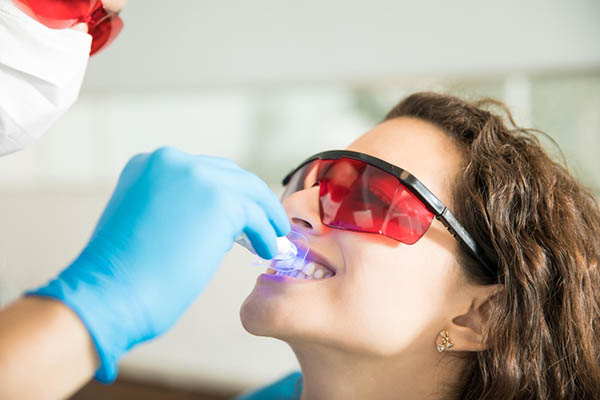
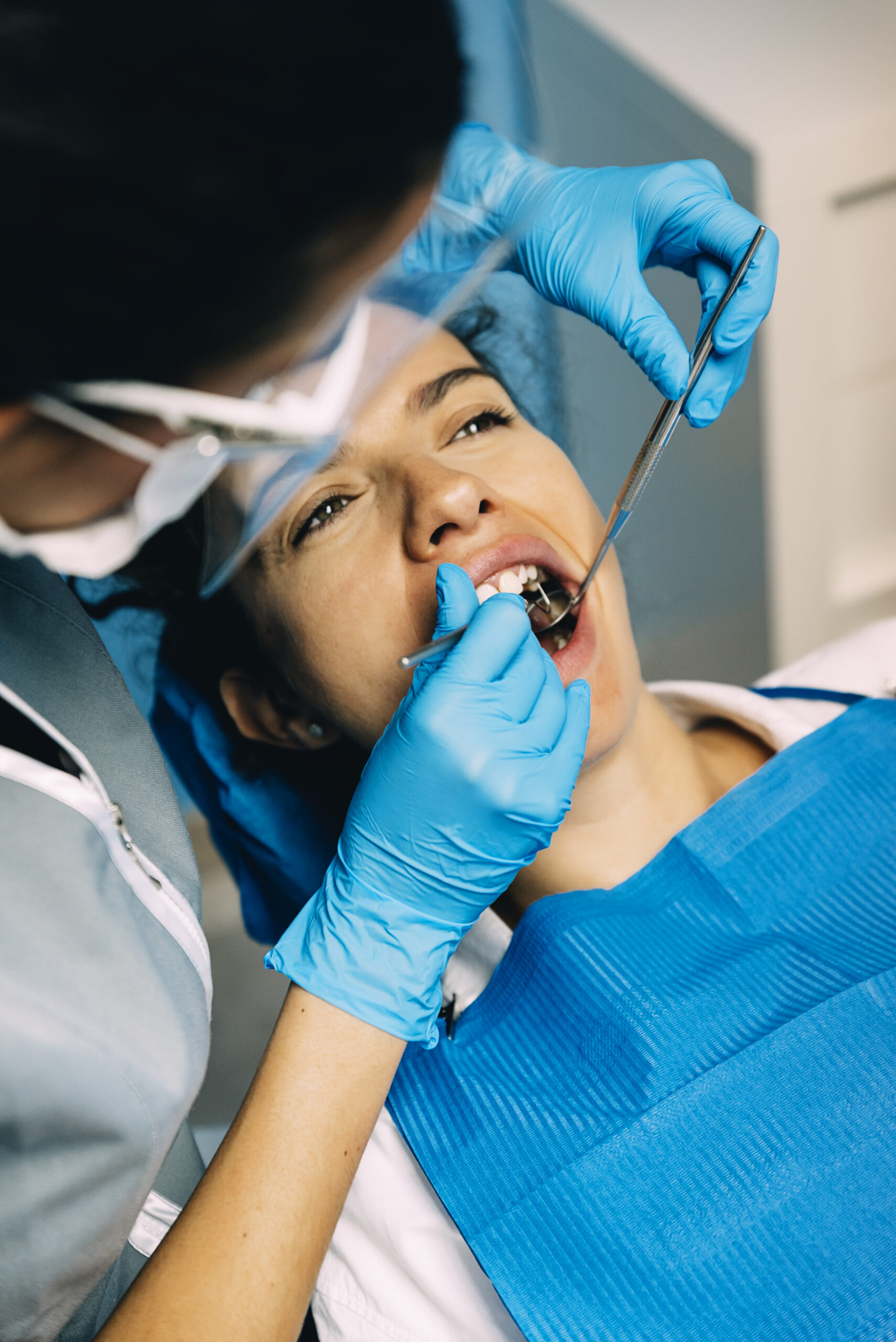
Most cleanings include scaling and polishing. Scaling removes plaque and tartar, especially along the gumline. Polishing smooths the tooth surface, which can make it harder for plaque to stick.
Depending on your needs, your appointment may also include gum measurements, fluoride, X-rays, and an exam to identify early decay or bite issues. Cleveland Clinic outlines scaling and polishing as the core components of a dental cleaning.
Cleaning Frequency by Life Stage
Ages and stages matter, but the same principle applies: risk determines frequency.
Children often do well on a six-month schedule, with added prevention like sealants and fluoride if they are cavity-prone. Teens may need closer monitoring during orthodontic treatment and sports seasons. Adults vary widely based on gum and cavity history. Seniors often benefit from more frequent care if dry mouth, gum recession, or medical conditions increase risk.
Prevention Tips That Make Your Cleaning Schedule Work Better
If your goal is to stay on the longer end of the schedule, home care and habits matter. ADA guidance emphasizes consistent home oral care as a major contributor to oral health.
A few high-impact habits include brushing twice daily with fluoride toothpaste, cleaning between teeth daily, limiting frequent sipping on sugary or acidic drinks, and staying hydrated. If you grind or clench, a nightguard can reduce wear and help protect gums and enamel.
Book Your Next Visit with the Right Schedule
If you have been asking “how often should I get a dental cleaning?”, the best answer comes from a personalized evaluation. At Ames Dentistry, we look at your gum health, cavity history, tartar pattern, and overall risk factors to recommend a schedule that protects your smile long term.
Book a Preventive Dental Checkup and we will help you choose the right cleaning timeline, not just the most common one.
FAQs
How often should I get a dental cleaning if I have gum disease?
Many patients with gum disease do best with cleanings every three to four months to control inflammation and monitor gum pockets.
Is it bad to get cleanings too often?
Cleanings are safe when they are done appropriately. If you are being recommended for more frequent visits, it is usually because your risk level is higher, not because you “need more polishing.”
How often should I get a dental cleaning during pregnancy?
Many pregnant patients stay on a six-month schedule, but if gums are bleeding or inflamed, your dentist may recommend an additional cleaning during pregnancy.
How often should I get a dental cleaning if I keep getting cavities?
If you are cavity-prone, more frequent cleanings can help by reducing plaque, catching early decay, and supporting preventive strategies like fluoride.
What if I have not had a cleaning in years?
You are not alone. The best next step is to schedule an exam and cleaning so we can assess gum health, remove buildup safely, and set the right interval going forward.
Do I still need cleanings if I brush and floss well?
Yes. Even excellent home care cannot remove tartar once it forms, and professional visits help detect early issues before symptoms appear.