When a tooth hurts badly, it is natural to want the fastest solution. Some patients assume pulling the tooth will be easier. Others worry that a root canal will be painful or complicated. The truth is that both treatments have a place, and the right choice depends on the condition of the tooth, the amount of remaining structure, your overall oral health, and your long-term goals.
At Ames Dentistry, we help patients understand their options clearly before making a decision. If your tooth can be saved, root canal therapy is often the more conservative choice because it allows you to keep your natural tooth. If the tooth is too fractured, too damaged, or not restorable, extraction may be the healthier path.
This guide explains how both treatments work, when each one makes sense, what recovery looks like, and what to consider before choosing.
What Is a Root Canal?
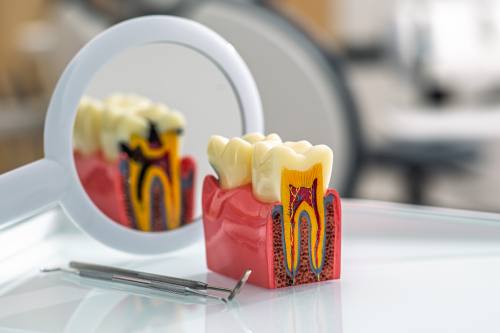
A root canal is a dental procedure used to treat infection or inflammation inside a tooth. Inside every tooth is soft tissue called pulp, which contains nerves and blood vessels. When the pulp becomes infected due to deep decay, trauma, cracks, or repeated dental work, it can cause severe pain and swelling.
During root canal treatment, the infected or inflamed pulp is removed. The inside of the tooth is cleaned, disinfected, filled, and sealed. In many cases, the tooth is later protected with a crown.
Mayo Clinic explains that a root canal is a treatment used to repair and save a badly damaged or infected tooth instead of removing it. Modern root canals are also much more comfortable than many people expect because of local anesthetic and advanced dental techniques.
What Is a Tooth Extraction?
A tooth extraction removes the entire tooth from the socket. Extraction may be necessary when a tooth cannot be saved, such as when it is severely cracked below the gumline, badly decayed, loose from advanced gum disease, or structurally too weak to restore.
Removing the tooth can relieve pain and stop infection from spreading, but it also creates a new concern: the missing tooth needs to be addressed. Without replacement, nearby teeth can shift, chewing can become harder, and bite alignment can change over time.
Root Canal vs Extraction: The Main Difference
The main difference is simple: a root canal saves the tooth, while an extraction removes it.
Both can treat infection and pain, but they lead to different long-term outcomes. A root canal keeps your natural tooth in place, while extraction usually requires a replacement option such as an implant, bridge, or partial denture.
| Treatment | What it does | Best for |
| Root canal | Removes infected pulp and saves the natural tooth | Teeth that are infected but still restorable |
| Extraction | Removes the entire tooth | Teeth that are too damaged, fractured, or unsupported to save |
The American Association of Endodontists notes that when the nerve of a tooth is irreversibly damaged or infected, root canal treatment and extraction are the two main options, but they work very differently.
When a Root Canal May Be the Better Choice
A root canal is often recommended when the tooth has enough healthy structure to be restored. This may be the case if the tooth is infected, but not split or severely weakened.
You may be a good candidate for a root canal if you have deep decay, lingering sensitivity to hot or cold, pain when biting, swelling near one tooth, or an abscess that can be treated while saving the tooth. Root canal therapy can stop the infection, relieve pain, and preserve your natural bite.
Keeping your natural tooth is a major benefit. The American Association of Endodontists explains that root canal treatment can help relieve pain, save the tooth, and allow patients to keep eating the foods they enjoy.
When Extraction May Be Necessary
Sometimes, saving the tooth is not the best or safest option. Extraction may be recommended if the tooth has a vertical root fracture, severe decay that extends too far below the gumline, advanced bone loss, or not enough remaining structure to support a crown.
Extraction may also be the better choice if a tooth has failed previous treatment and cannot be restored predictably. The goal is not just to get rid of pain today, but to choose a solution that will hold up over time.
Pain Relief: Which Option Helps Faster?
Both treatments are intended to relieve pain. If the tooth can be saved, a root canal often provides relief by removing the infected or inflamed pulp. If the tooth cannot be saved, extraction can remove the source of pain entirely.
The procedure itself should not be painful when proper numbing is used. Cleveland Clinic explains that root canal therapy treats infection in the pulp and is performed with local anesthesia to keep patients comfortable.
Many patients are surprised that the pain they feared from the treatment is actually the pain caused by the infection before treatment.
Recovery After a Root Canal vs Extraction
Recovery after a root canal is usually straightforward. You may have mild soreness for a few days, especially when biting. If the tooth needs a crown, you will need to avoid chewing hard foods on that tooth until the final restoration is placed.
Extraction recovery involves healing of the socket where the tooth was removed. You may need to avoid straws, smoking, vigorous rinsing, and hard foods for a short time to protect the healing clot. The area can be tender for several days, and follow-up care may involve planning a tooth replacement.
| Factor | Root canal | Extraction |
| Tooth remains in place | Yes | No |
| Typical recovery | Mild soreness for a few days | Socket healing over several days to weeks |
| Replacement needed | Usually no, but crown may be needed | Often yes, to restore function |
| Long-term goal | Preserve natural tooth | Remove unsavable tooth and plan replacement |
Cost Considerations: Looking Beyond the First Appointment
At first glance, extraction may seem less expensive than a root canal. However, it is important to consider the full picture. If a tooth is removed, replacing it often requires additional treatment, such as an implant, bridge, or denture.
However, patients should not to choose extraction just because it seems easier or more cost-effective, since replacing an extracted tooth can require additional dental visits and costs.
That does not mean extraction is never the right choice. It means the decision should include both the immediate treatment and the long-term plan.
What Happens If You Do Nothing?
Waiting is risky. A tooth infection does not usually resolve on its own. Symptoms may come and go, but bacteria can continue spreading inside the tooth or into the surrounding bone.
Untreated infection can lead to swelling, abscess, worsening pain, and a more urgent dental emergency. Untreated pulp inflammation or infection can cause pain or lead to an abscess.
If you have severe pain, swelling, fever, or difficulty swallowing, seek urgent care right away.
How Ames Dentistry Helps You Choose
At Ames Dentistry, we do not believe in one-size-fits-all recommendations. We start by examining the tooth, taking X-rays when needed, and looking at the full picture. That includes the health of the tooth root, surrounding bone, bite pressure, gum health, and how the tooth fits into your long-term oral health.
If the tooth can be saved predictably, we will explain what root canal treatment would involve and whether a crown is recommended afterward. If extraction is the better choice, we will explain why and walk you through replacement options so you are not left guessing.
Questions to Ask Before Deciding
Before choosing between a root canal and extraction, it helps to ask:
Can the tooth be restored long term?
Is there enough tooth structure for a crown?
Is the crack or decay below the gumline?
What happens if the tooth is removed?
Will I need an implant, bridge, or denture afterward?
What option gives me the strongest long-term result?
These questions can help turn a stressful decision into a clear plan.
Schedule a Tooth Pain Evaluation at Ames Dentistry
If you are deciding between a root canal vs extraction, you do not have to make that choice alone. The right answer depends on the condition of your tooth, your pain level, your long-term goals, and whether the tooth can be restored predictably.
Schedule a tooth pain evaluation with Ames Dentistry. We will examine the tooth, explain your options clearly, and help you choose the treatment that protects your comfort, your health, and your smile.
FAQ: Root Canal vs Extraction
Is a root canal better than extraction?
A root canal is often better when the tooth can be saved because it preserves your natural tooth and bite. Extraction may be better if the tooth is too damaged to restore.
Is extraction faster than a root canal?
Extraction may be faster during the first appointment, but it often requires additional treatment afterward to replace the missing tooth. A root canal may take more time upfront, but it can help avoid tooth replacement.
Does a root canal hurt more than pulling a tooth?
With proper numbing, both procedures should be comfortable. In many cases, the infection is what causes pain, and treatment is what relieves it. Mayo Clinic notes that with modern numbing medicine, most people feel little or no pain during a root canal.
What happens if I pull a tooth and do not replace it?
Nearby teeth may shift, chewing can become less efficient, and your bite may change. Over time, missing teeth can also affect bone support and facial structure.
Can every infected tooth be saved with a root canal?
No. Root canal therapy can save many infected teeth, but not every tooth is restorable. Severe fractures, extensive decay, and advanced gum disease may make extraction necessary.
Will I need a crown after a root canal?
Often, yes, especially for back teeth. A crown helps protect the treated tooth from cracking and restores chewing strength.