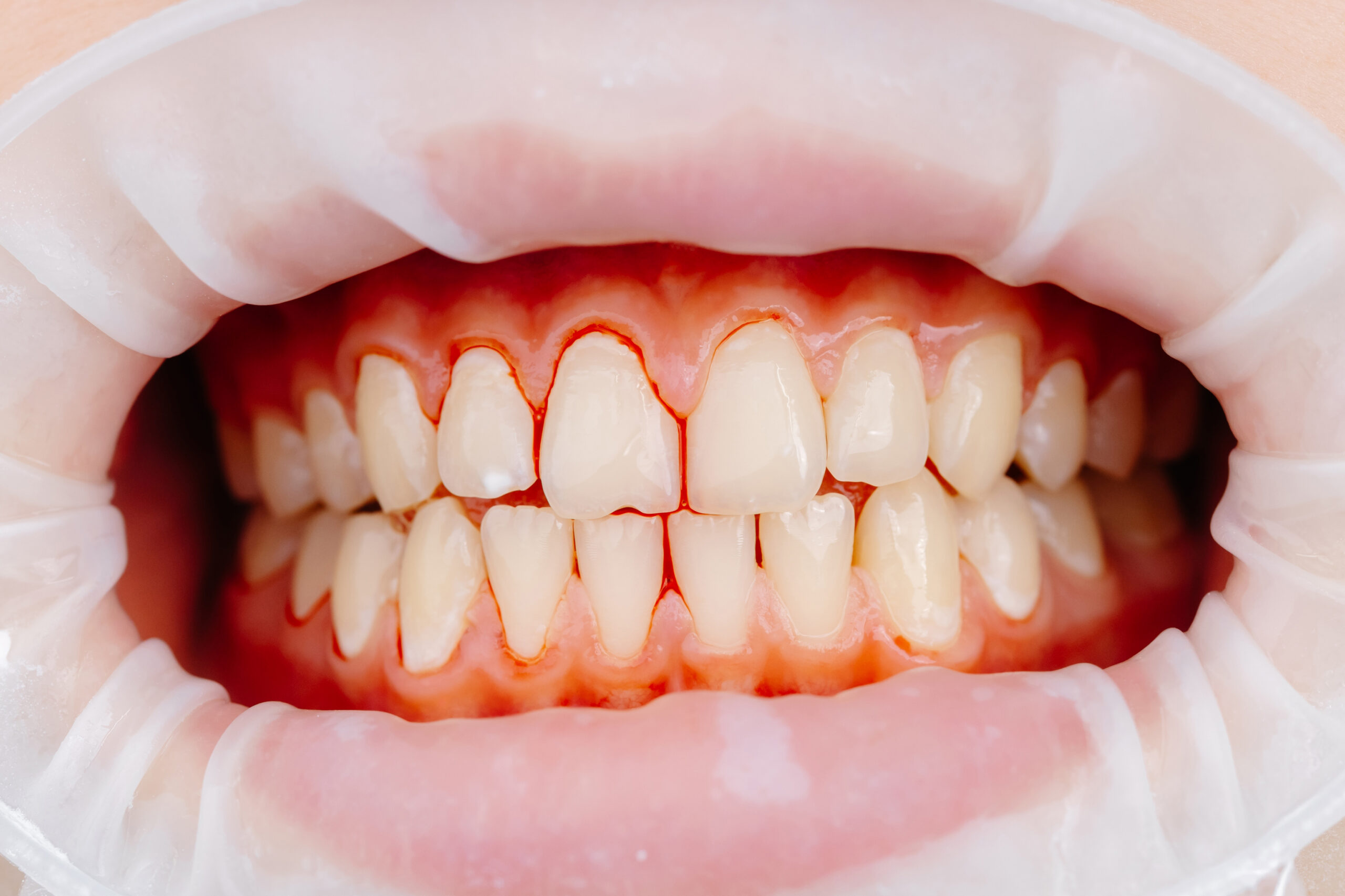
What are some early signs of gum disease? The earliest warning signs often include bleeding gums, redness, swelling, tenderness, bad breath, and gums that seem to pull away from the teeth. These symptoms can be easy to dismiss at first, but they may be your body’s way of telling you that plaque and bacteria are irritating the gum tissue.
At Ames Dentistry, we believe gum health is one of the most important parts of preventive dental care. Gum disease is common, but when it is caught early, it is often easier to treat and manage. The CDC notes that periodontal disease involves inflammation and infection of the tissues that support the teeth, and that gum diseases such as gingivitis and periodontitis are largely preventable and treatable with good home care and professional dental care.
This guide explains the early symptoms to watch for, what causes gum disease, when to schedule an appointment, and how Ames Dentistry can help protect your smile before the problem becomes more serious.
What Is Gum Disease?
Gum disease, also called periodontal disease, is an infection and inflammation of the tissues that surround and support your teeth. It usually starts with plaque, a sticky film of bacteria that builds up along the gumline.
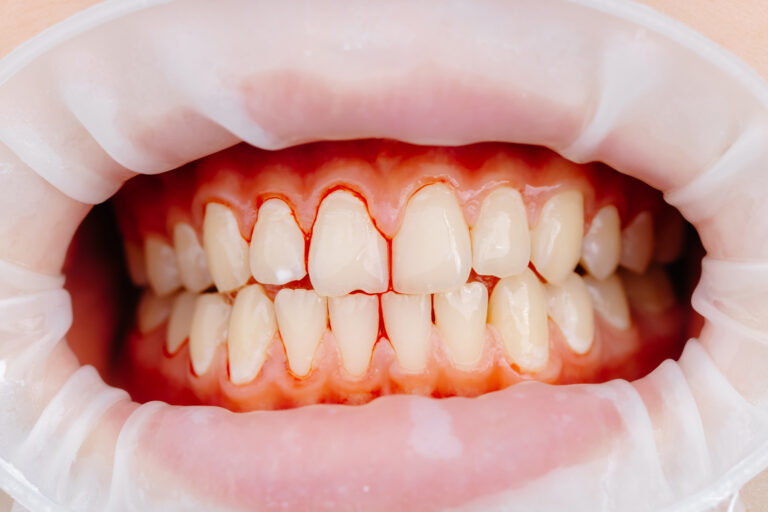
The earliest stage is called gingivitis. At this stage, the gums may look red, feel tender, or bleed easily. The American Dental Association explains that gingivitis is caused by plaque buildup, and early symptoms may include gums that bleed easily, red or swollen gums, tenderness, and bad breath.
The good news is that gingivitis can often be reversed with professional cleaning and consistent brushing and flossing. If it is ignored, it can progress into periodontitis, a more advanced form of gum disease that can affect the bone supporting your teeth.
Why Early Gum Disease Is Easy to Miss
Early gum disease does not always hurt. That is one reason many people do not realize they have it. You might notice a little bleeding when you floss, or your gums may feel slightly puffy, but the symptoms can seem minor enough to overlook.
The problem is that gum disease tends to progress quietly. By the time teeth feel loose or chewing becomes painful, the condition may already be more advanced. That is why regular cleanings and gum evaluations are so important.
Common Early Signs of Gum Disease
Here are some of the most common symptoms that can appear in the early stages.
| Early sign | What it may mean |
| Bleeding when brushing or flossing |
Gum tissue may be inflamed from plaque buildup |
| Red or swollen gums | Bacteria may be irritating the gumline |
| Tender gums | Inflammation may be making the tissue more sensitive |
| Persistent bad breath | Bacteria under the gumline may be contributing |
| Gum recession | Gums may be pulling away from the teeth |
| Tooth sensitivity | Exposed roots or inflammation may be present |
| Tartar buildup | Hardened plaque may be irritating the gums |
Bleeding Gums When Brushing or Flossing
Bleeding gums are one of the most recognizable early signs of gum disease. Some people assume bleeding means they are brushing too hard, and that can happen. However, if your gums bleed regularly, especially when brushing or flossing gently, inflammation may be the cause.
Healthy gums should not bleed easily. If you see pink in the sink more than once or twice, it is worth paying attention.
Red, Swollen, or Tender Gums
Healthy gums are usually firm and fit snugly around the teeth. If your gums look red, puffy, or swollen, that can be a sign of gingivitis.
Tenderness is another clue. Your gums may feel sore when you brush, floss, or eat certain foods. Mayo Clinic describes gingivitis as a mild form of gum disease that causes irritation, redness, swelling, and bleeding around the base of the teeth.
Bad Breath That Does Not Go Away
Occasional bad breath happens to everyone, especially after certain foods. But persistent bad breath can be a sign that bacteria are building up around the gums.
When plaque collects along the gumline, bacteria can produce odors that brushing or mouthwash only masks temporarily. If bad breath keeps coming back shortly after brushing, it may be time for a professional cleaning and gum evaluation.
Gums Pulling Away From the Teeth
If your teeth look longer than they used to, your gums may be receding. Gum recession can happen for several reasons, including brushing too aggressively, genetics, grinding, or gum disease.
When gums pull away from the teeth, small pockets can form where bacteria collect. This makes it harder to keep the area clean at home and can allow the disease to progress.
New Tooth Sensitivity
Sensitivity to cold drinks, sweets, or brushing near the gumline can be another early warning sign. When gums recede or become inflamed, the roots of the teeth may become more exposed.
Sensitivity does not always mean gum disease, but it should not be ignored. It can also be related to enamel wear, cavities, cracked teeth, or grinding. A dental exam can help identify the cause.
Tartar Buildup Along the Gumline
Plaque can be removed with brushing and flossing, but tartar cannot. Once plaque hardens into tartar, it needs to be removed professionally.
Tartar along the gumline irritates the gums and creates a rough surface where more plaque can collect. This cycle can make early gum disease worse over time if cleanings are skipped.
When Early Signs Become More Serious
Early gum disease is often reversible, but advanced gum disease is more complex. Periodontitis can damage the bone and tissues that hold teeth in place. Mayo Clinic notes that periodontitis can lead to tooth loss and has been linked with health concerns such as diabetes, coronary artery disease, respiratory disease, and pregnancy complications.
Watch for symptoms that may suggest gum disease is becoming more advanced:
| Concerning symptom | Why it matters |
| Loose or shifting teeth | Bone support may be affected |
| Pain when chewing | Infection or advanced inflammation may be present |
| Pus near the gums | This can indicate infection |
| Deep gum pockets | Bacteria may be collecting below the gumline |
| Bite changes | Teeth may be moving due to loss of support |
If you notice any of these symptoms, schedule a dental appointment as soon as possible.
What Causes Gum Disease?
The main cause of gum disease is plaque buildup. When plaque is not removed consistently, it irritates the gum tissue and can harden into tartar.
Several factors can increase your risk, including smoking or tobacco use, diabetes, pregnancy, certain medications, dry mouth, genetics, crooked teeth that are hard to clean, and missed dental cleanings. The ADA lists risk factors for gingivitis that include poor dental care, smoking or chewing tobacco, genetics, crooked teeth, pregnancy, diabetes, and some medications.
This is why gum care should be personalized. Two people can brush the same way and still have different gum health needs.
What to Do If You Notice Early Signs
If you notice bleeding, swelling, bad breath, or gum tenderness, do not panic. Early gum disease is common, and the right steps can often get your gums back on track.
Start by brushing gently twice a day with a soft-bristled toothbrush. Clean between your teeth daily, even if your gums bleed at first. Bleeding can improve as inflammation goes down. Rinse with water after meals, stay hydrated, and avoid tobacco products if possible.
Most importantly, schedule a dental cleaning and exam. If tartar is present, home care alone will not remove it.
How Ames Dentistry Helps Treat Early Gum Disease
At Ames Dentistry, we begin with a careful evaluation of your gums, teeth, and overall oral health. We may measure the spaces between your teeth and gums, check for inflammation, review X-rays when needed, and talk through your home care routine.
For early gum disease, treatment may include a professional cleaning, improved brushing and flossing guidance, and a more personalized preventive schedule. If signs point to more advanced gum disease, we may recommend deeper cleaning, often called scaling and root planing, to remove buildup below the gumline.
Our goal is to treat the issue early, keep you comfortable, and help prevent gum disease from progressing.
How to Prevent Gum Disease
Prevention does not have to be complicated. The most important habits are the ones you can repeat consistently.
Brush twice a day with fluoride toothpaste, floss once a day, and keep regular dental cleanings. Avoid smoking or tobacco products, drink plenty of water, and pay attention to changes in your gums. If you have diabetes, pregnancy-related gum sensitivity, dry mouth, or a history of gum disease, you may need cleanings more often than every six months.
Schedule a Gum Health Check at Ames Dentistry
If you have noticed bleeding gums, swelling, bad breath, or sensitivity near the gumline, do not wait until it becomes painful. Early gum disease is often easier to treat, and catching it now can help protect your teeth, gums, and long-term oral health.
Schedule a preventive dental visit with Ames Dentistry today. We will evaluate your gums, explain what is happening in plain language, and help you take the right next step for a healthier smile.
FAQs About Early Gum Disease
What are the first signs of gum disease?
The first signs often include bleeding gums, redness, swelling, tenderness, and persistent bad breath. Some people also notice gum recession or sensitivity near the gumline.
Can early gum disease go away?
Yes, gingivitis can often be reversed with professional cleaning and consistent home care. The ADA notes that gum disease at the gingivitis stage is still reversible.
Do bleeding gums always mean gum disease?
Not always. Bleeding can also come from brushing too hard, starting a new flossing routine, pregnancy, or certain medications. Still, if it continues, it should be checked by a dentist.
How quickly can gum disease get worse?
It varies. Some people progress slowly, while others are more vulnerable because of genetics, smoking, diabetes, or inconsistent dental care. Regular checkups help catch changes early.
Is gum disease painful in the beginning?
Not usually. Early gum disease may cause tenderness or mild soreness, but many people have little to no discomfort at first. That is why bleeding and swelling should be taken seriously.
How does a dentist check for gum disease?
Your dentist or hygienist checks for inflammation, bleeding, gum recession, tartar buildup, and pocket depth around the teeth. X-rays may also be used to evaluate bone support.