If you are searching for “root canal” and feeling nervous, you are not alone. Root canals have a reputation that does not match modern dentistry. In reality, a root canal is usually the treatment that stops pain, not the thing that causes it. When a tooth is infected or the nerve is inflamed, delaying care often makes symptoms worse and can lead to swelling, abscess, and more complex treatment.
At Ames Dentistry, we provide root canals in Wilmington, Ohio with a gentle approach, clear communication, and a focus on getting you comfortable quickly. This guide explains when a root canal is needed, what happens during treatment, what recovery looks like, and how to get scheduled.
What a Root Canal Treats and Why It Helps
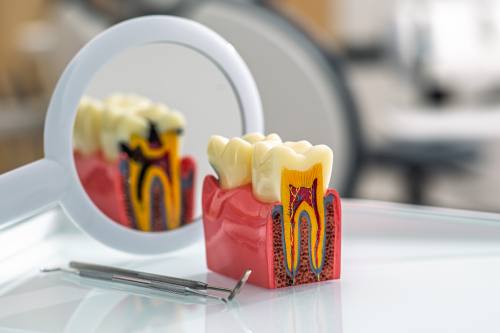
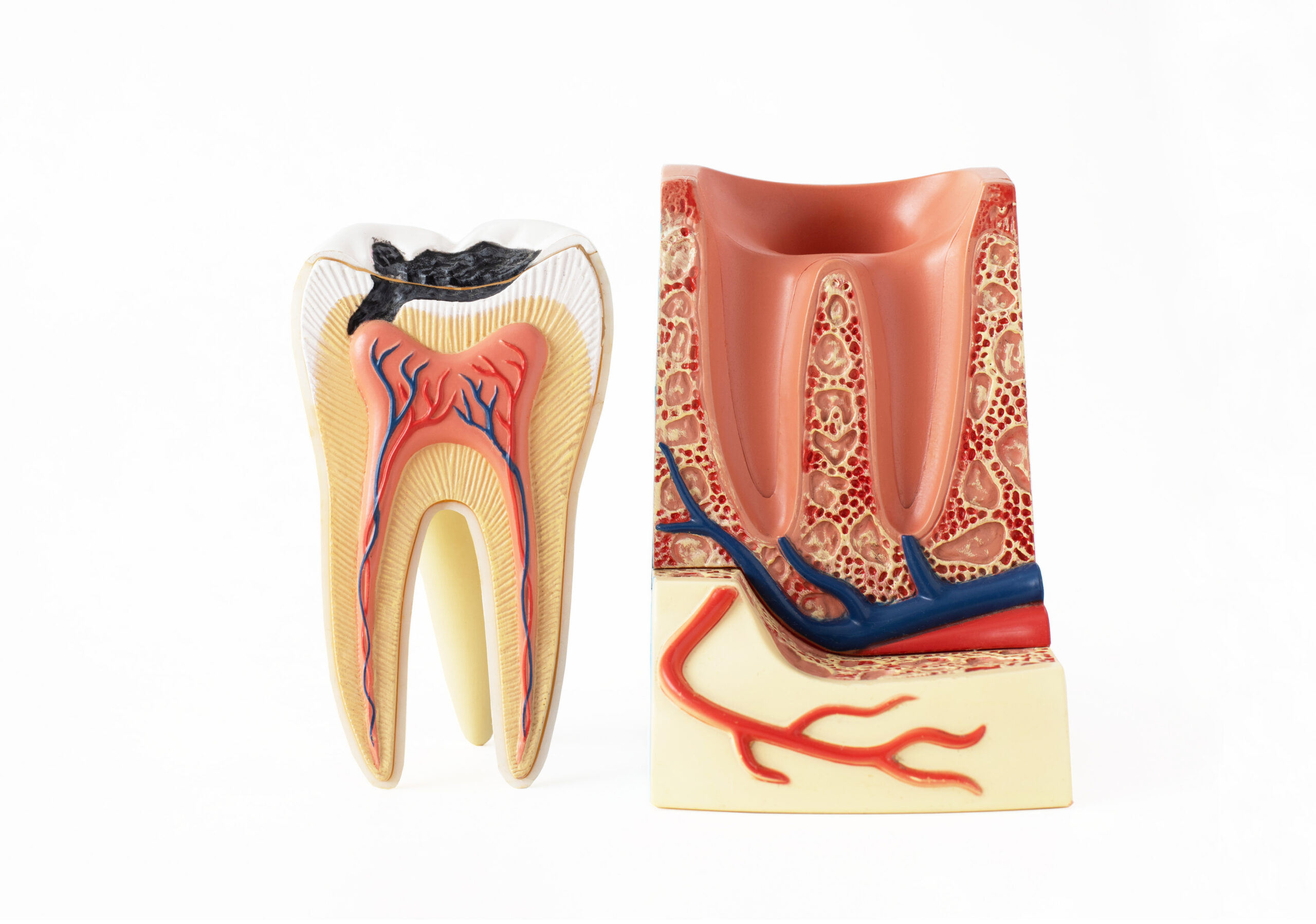
Inside every tooth is soft tissue called the pulp, which contains nerves and blood vessels. When that tissue becomes inflamed or infected, it can cause deep pain and pressure. A root canal removes the infected or damaged pulp, disinfects the inside of the tooth, and seals it to prevent bacteria from returning.
The American Association of Endodontists explains that root canal treatment is performed to save a tooth that is badly decayed or infected and to relieve pain. They also note that modern root canal treatment is similar to getting a routine filling for many patients.
Saving the natural tooth matters. Keeping your tooth helps preserve your bite, supports chewing, and reduces the need for more extensive restorations later.
Signs You Might Need a Root Canal
Some teeth send clear signals, while others are surprisingly quiet. If you have any of the symptoms below, it is worth getting evaluated quickly.
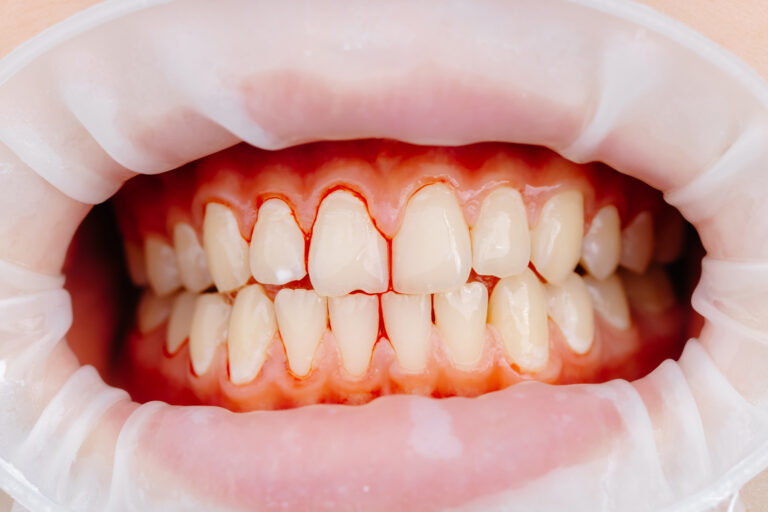
Persistent tooth pain, pain that wakes you up, lingering sensitivity to hot or cold, pain when biting, or a feeling of pressure can all point to nerve irritation. Swelling in the gums or face, a pimple-like bump on the gumline, or a bad taste can be signs of infection. Sometimes the only clue is a darkened tooth or an X-ray finding during a routine exam.
If you are not sure what you are feeling, that is normal. The fastest way to get clarity is an exam and the right imaging.
Is a Root Canal Painful?
This is the question most patients ask first, and it is completely understandable. The truth is that the painful part is usually the infection or inflammation that brought you in. The goal of treatment is relief.
With effective numbing and comfort focused care, many patients describe the procedure as similar to getting a filling. Local anesthesia is used during root canal therapy so that the procedure should not be painful. It is intended to relieve pain caused by an infected tooth.
If you are anxious, tell us. A calm plan and a step-by-step explanation often make the experience feel much more manageable.
What to Expect During a Root Canal at Ames Dentistry
Root canal treatment is typically straightforward and focused. First, we evaluate your tooth, take X-rays, and confirm whether a root canal is the right solution. Then we numb the area so you stay comfortable. A small opening is made to access the inside of the tooth, the infected tissue is removed, and the canals are cleaned and disinfected. The tooth is then sealed to prevent bacteria from re-entering.
In many cases, the tooth will need a crown afterward to protect it from cracking, especially if the decay was extensive or the tooth is a molar that takes heavy chewing forces. Your dentist will tell you what your specific tooth needs and why.
Same Day Root Canal Wilmington Visits
When pain is intense or swelling is present, timing matters. Ames Dentistry works to provide quick scheduling for urgent cases in Wilmington, including same day evaluation when possible. Not every case can be fully completed the same day, but we can often diagnose the issue quickly and get you relief with a clear treatment plan.
If you have facial swelling, fever, or difficulty swallowing, seek urgent medical evaluation, since those can be signs of a spreading infection.
Recovery and Aftercare: What It Really Feels Like
Most patients return to normal activities quickly. After a root canal, it is common to have mild tenderness for a few days, especially when biting. This is often manageable with over the counter medication as directed, and it improves as the tissue settles.
You will want to avoid chewing hard foods on that tooth until it is fully restored, especially if it is waiting on a crown. If you have a significant infection, your dentist may prescribe medication depending on the situation.
If pain worsens after the first couple of days, or if swelling increases, call the office. It is always better to check in.
Why Treating Early Can Save You Time and Stress
Many patients wait because the pain comes and goes. Unfortunately, infection does not always follow a steady pattern. A tooth can feel better temporarily and still have an active problem. Treating early can prevent complications, reduce the chance of swelling, and increase the likelihood that the tooth can be restored predictably.
The American Association of Endodontists emphasizes that root canal treatment is designed to save the natural tooth and eliminate infection, which is often preferable to extraction when the tooth can be saved.
Root Canal vs Extraction: Which Is Better?
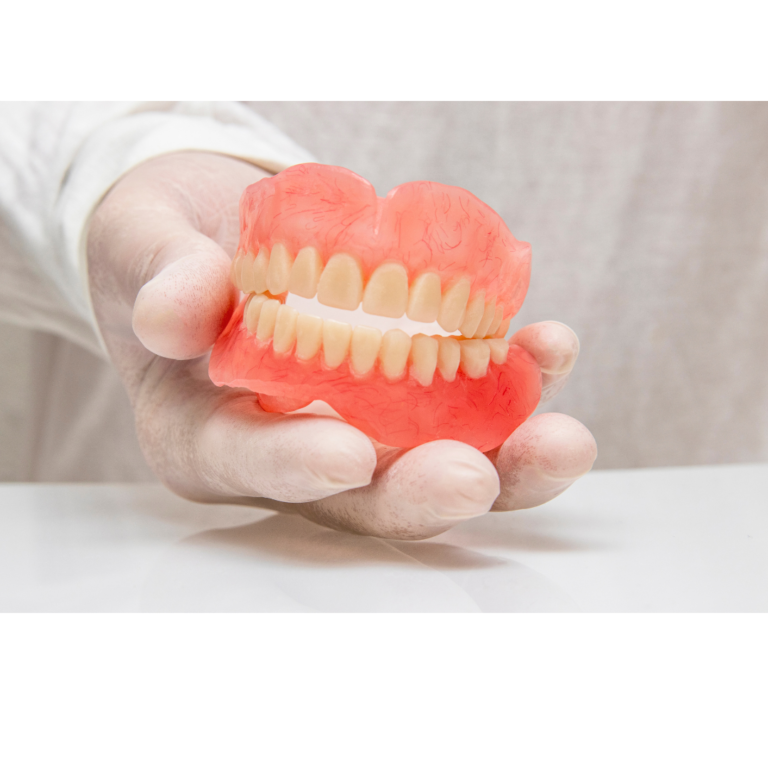
There are situations where extraction is the right call, but when a tooth can be saved, keeping it often supports better long term function. A saved tooth maintains chewing efficiency and helps prevent neighboring teeth from shifting.
If a tooth cannot be saved due to severe fracture or extensive damage, we will explain that clearly and discuss replacement options such as an implant or bridge. The right choice depends on tooth condition, your bite, and your overall health goals.
Choosing Ames Dentistry for Root Canal Care in Wilmington
When you are in pain, you want a team that moves quickly, explains options clearly, and treats you like a person, not a problem. At Ames Dentistry, our approach is practical and comfort focused. We prioritize diagnosing the cause, relieving pain, and restoring the tooth so you can get back to daily life without constant discomfort.
Request a Same Day Appointment in Wilmington
If you are searching for root canal Wilmington because you are in pain, do not wait and hope it passes. The sooner you treat an infected tooth, the more predictable and comfortable the process usually is.
Request a Same Day Appointment with Ames Dentistry in Wilmington. We will evaluate the tooth, explain your options clearly, and help you get relief with gentle, pain-free care.
FAQ: Root Canal Wilmington Questions
How do I know if I need a root canal?
A dentist can confirm with an exam and X-rays. Persistent pain, lingering temperature sensitivity, swelling, or pain when biting are common signs.
How long does a root canal take?
Many root canals take about one to two appointments, depending on the tooth and the severity of infection. Your dentist will tell you what to expect after evaluation. (my.clevelandclinic.org)
Will I need a crown after a root canal?
Often, yes, especially for molars. A crown protects the tooth and helps prevent fractures after the nerve has been removed.
Can I go back to work after a root canal?
Most people do. You may have mild soreness, but many patients return to normal routines the same day or the next day.
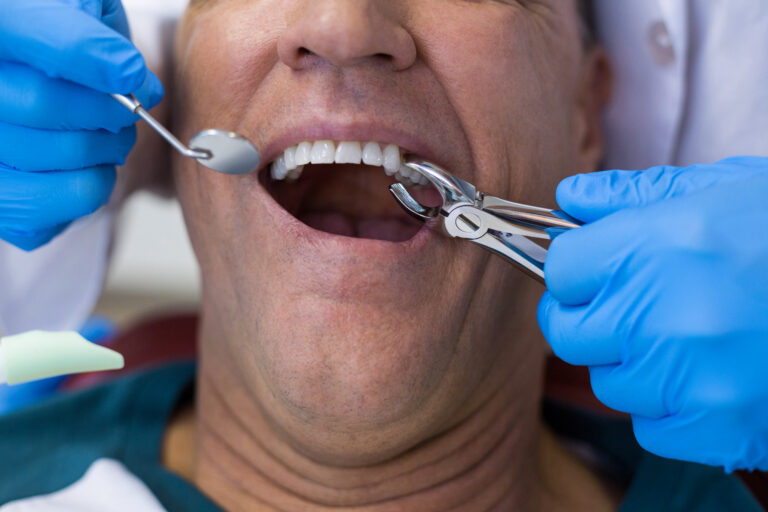
Is it better to pull the tooth instead?
If the tooth can be saved, root canal therapy often preserves function and avoids the additional steps involved in replacing a missing tooth.